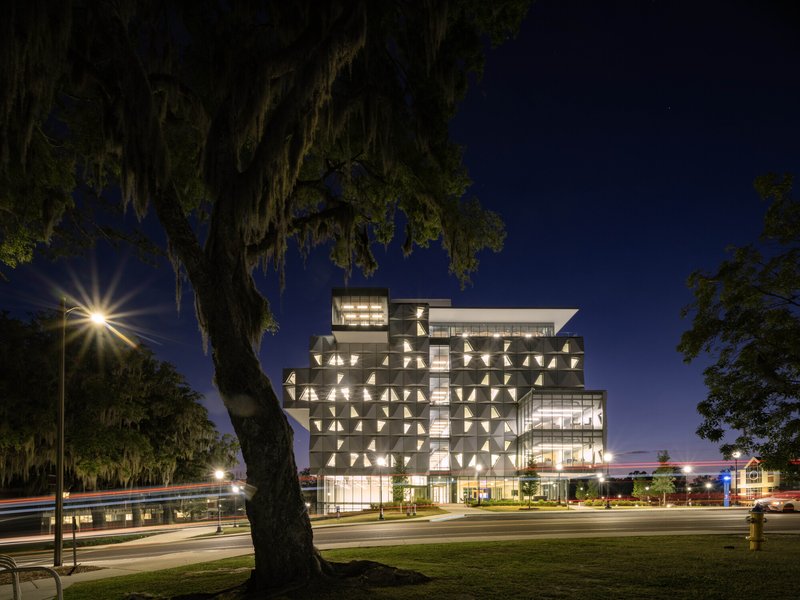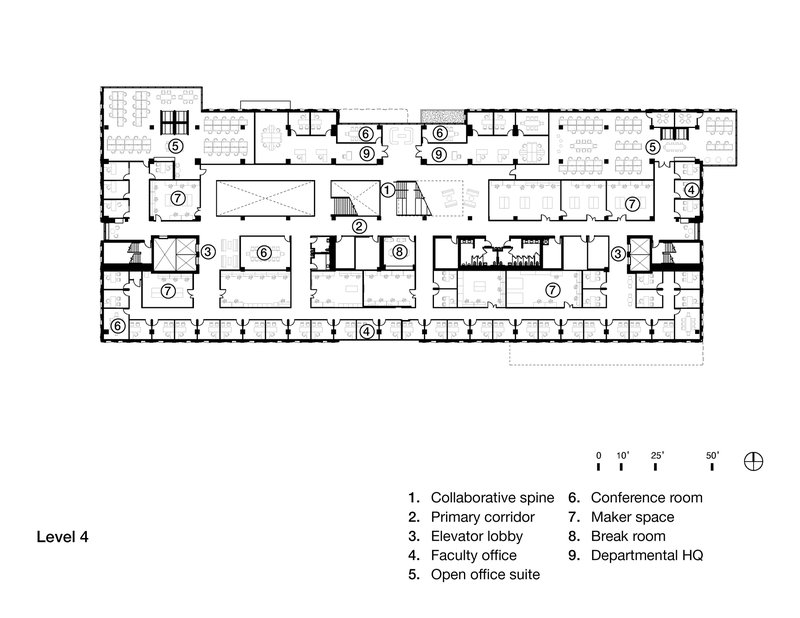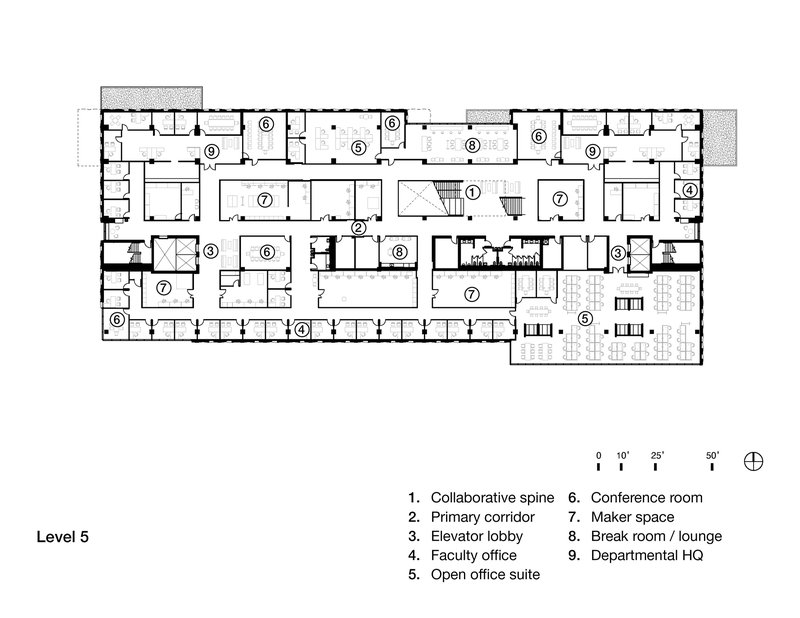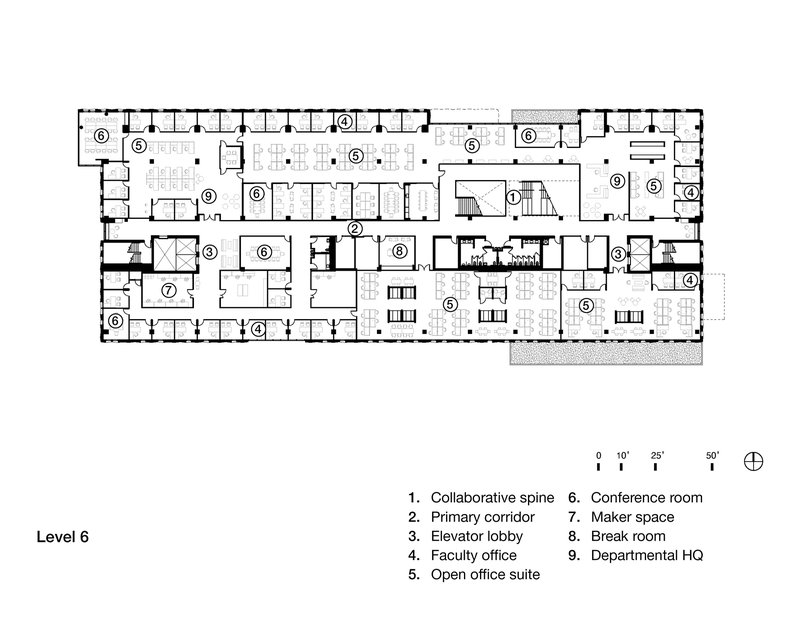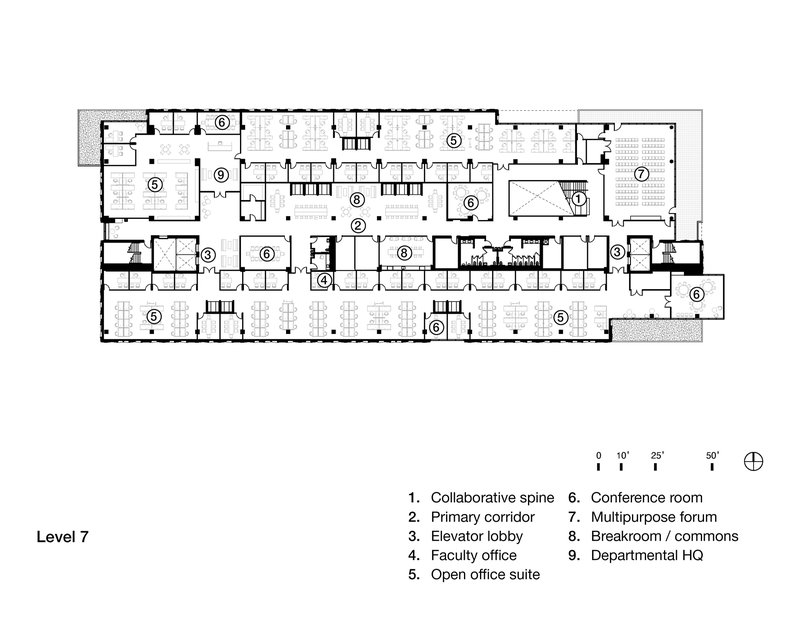
In the heart of the University of Florida's sprawling campus, an architectural marvel stands, radiating an aura of innovation and intellectual vigor. Malachowsky Hall for Data Science and Information Technology, conceived by the visionary minds at Bohlin Cywinski Jackson, is not merely a building; it is a confluence of form and function harmonized to foster an environment where academia and cutting-edge research intertwine seamlessly.
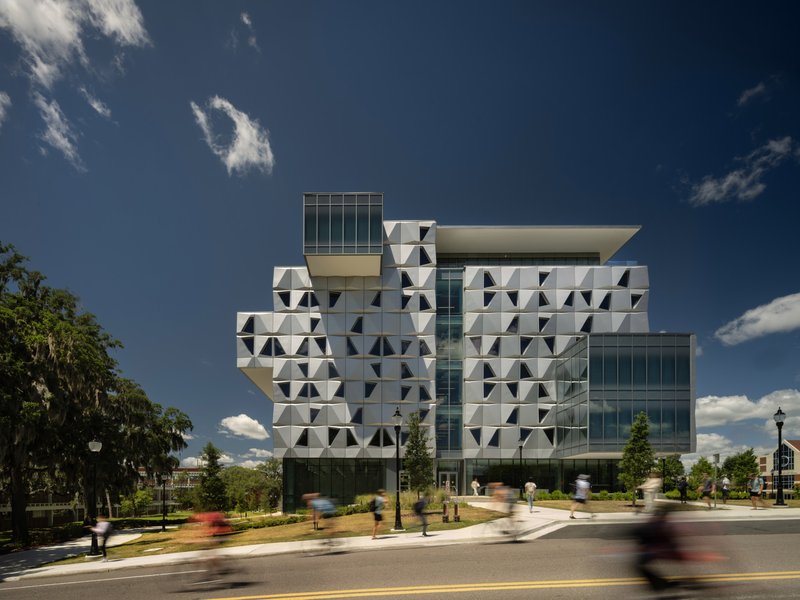
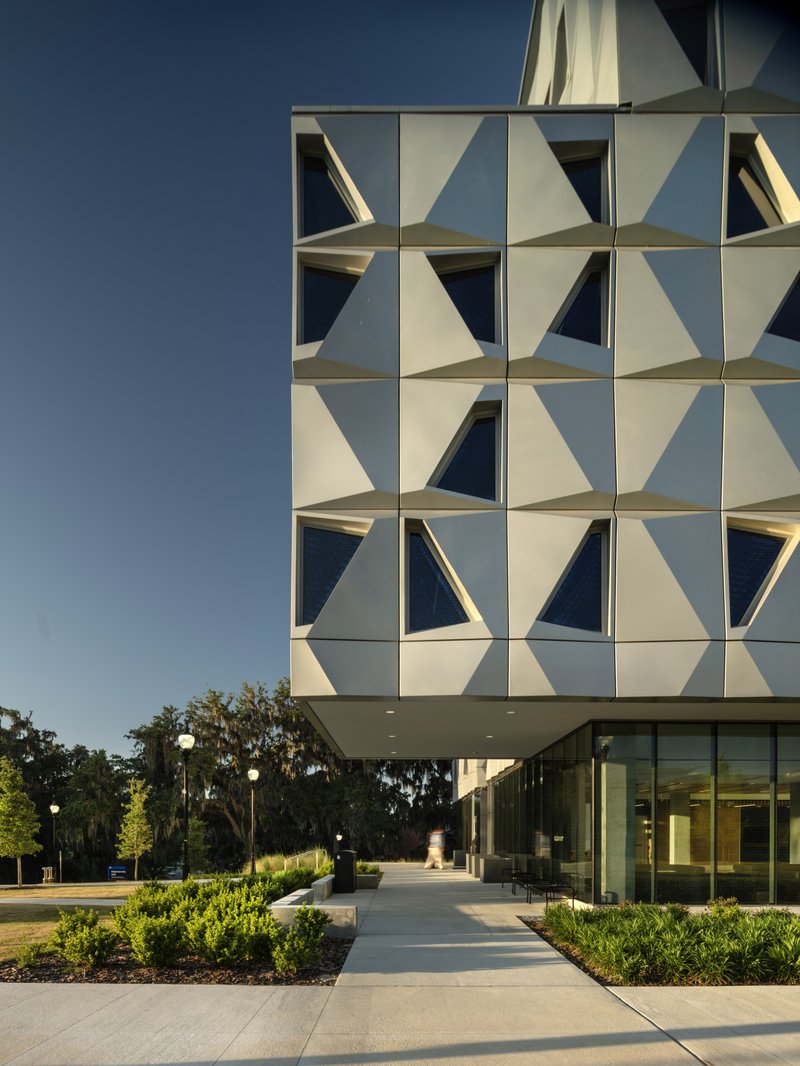
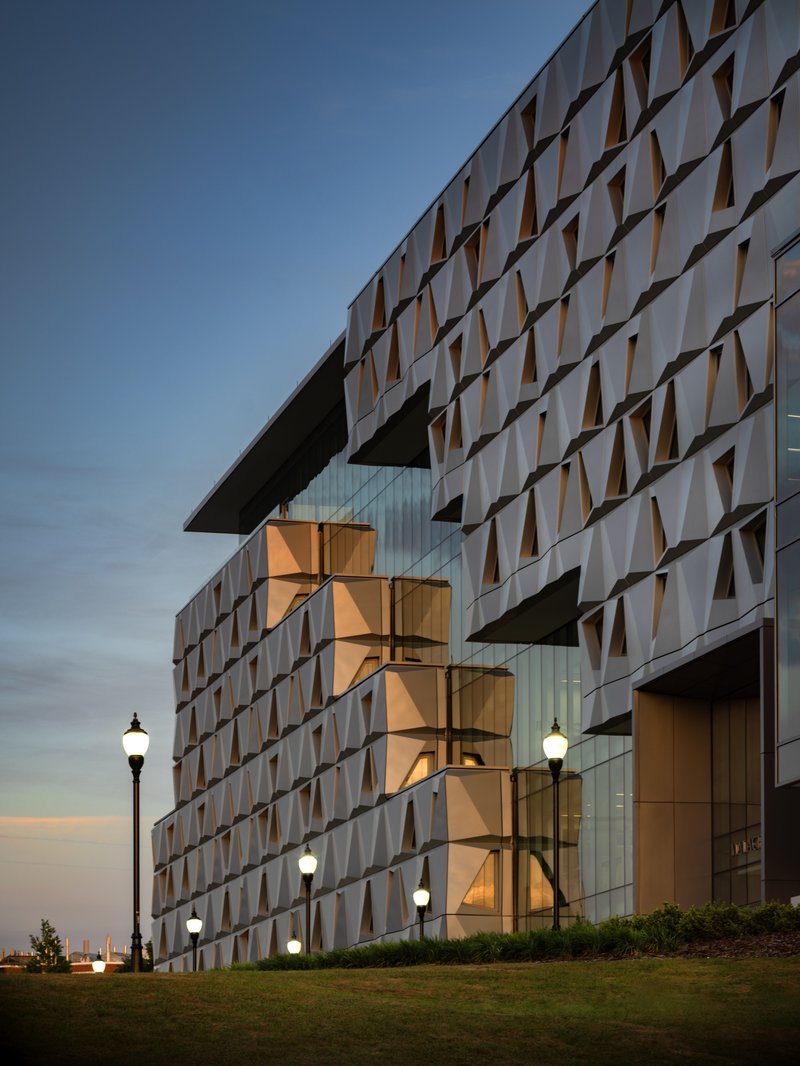
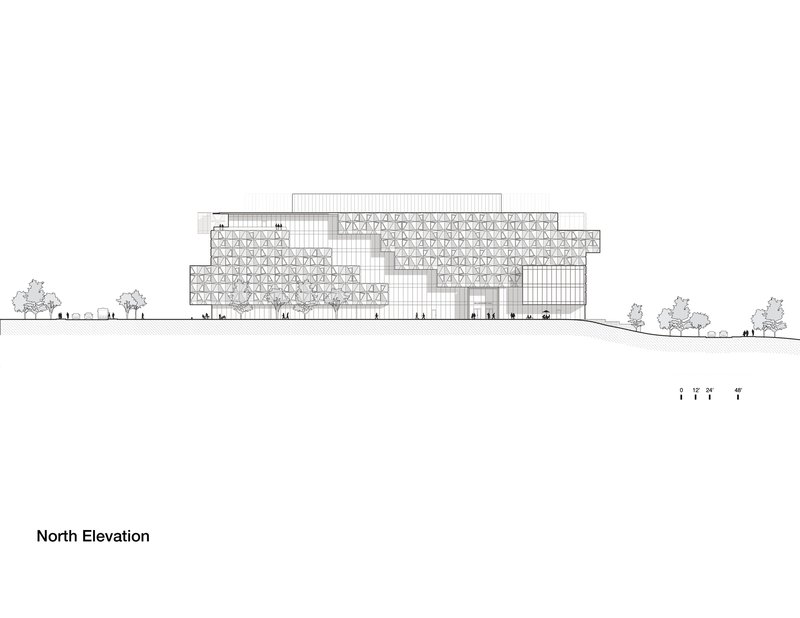
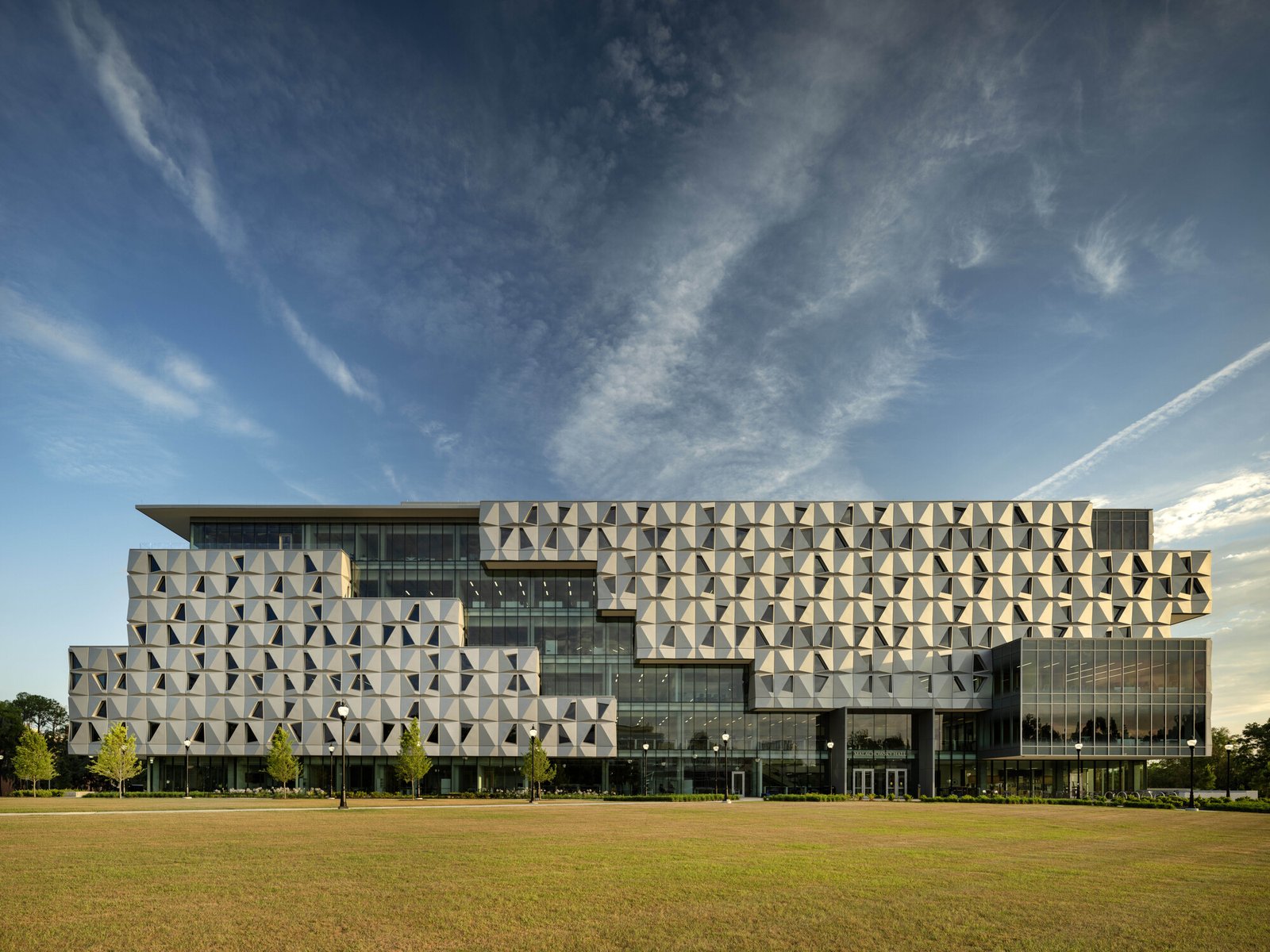
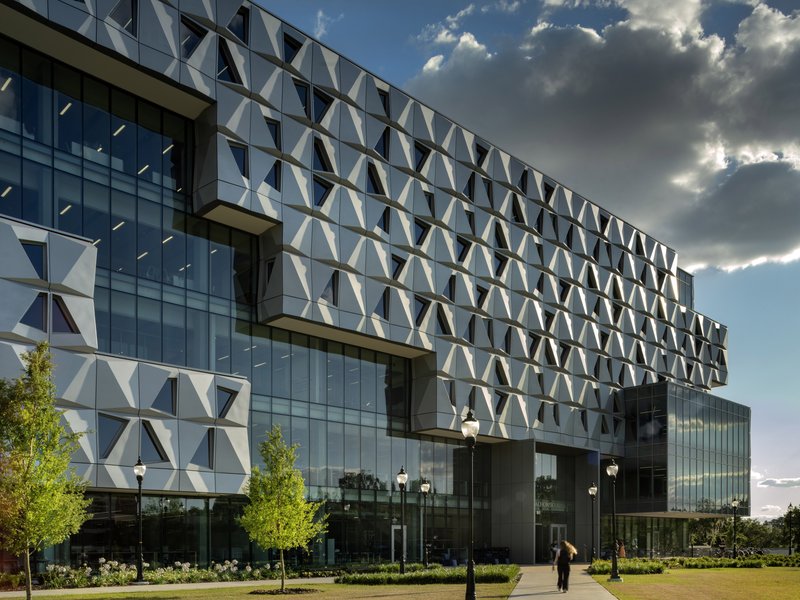
Upon approaching the edifice, one is immediately struck by its commanding presence near the Reitz student union. This strategic positioning serves not only as a geographical anchor but also as a symbolic gesture, inviting the broader campus community into a space dedicated to exploration and discovery. The building's exterior, a testament to modern design, is clad in an interplay of glass and metal, which captures the Floridian light in a delicate dance of reflections and shadows, imbuing the surrounding area with a sense of dynamic energy.
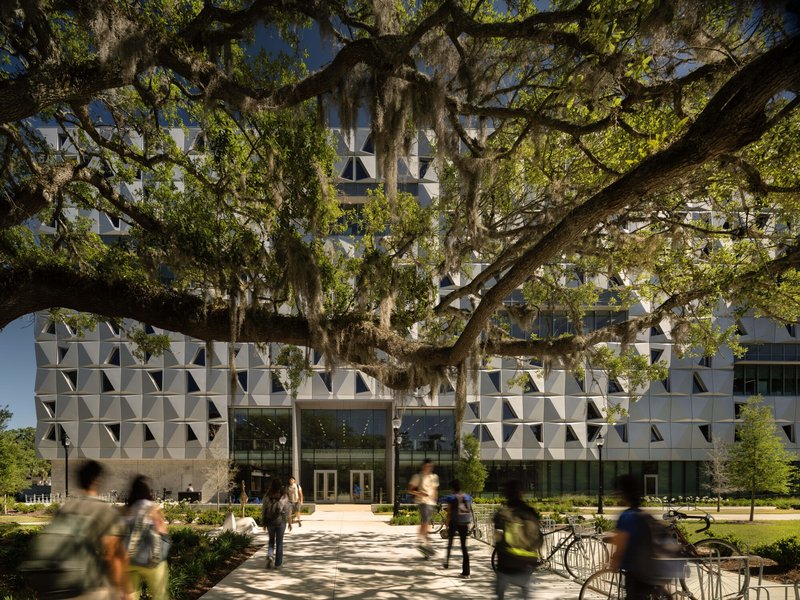
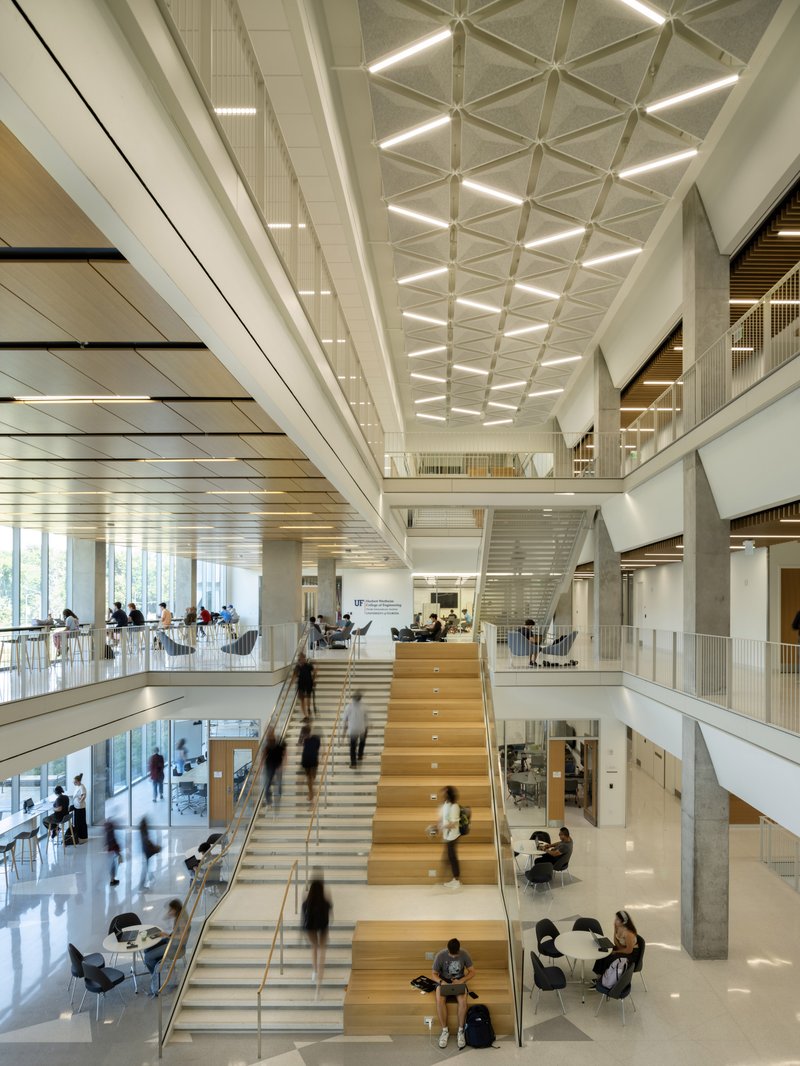
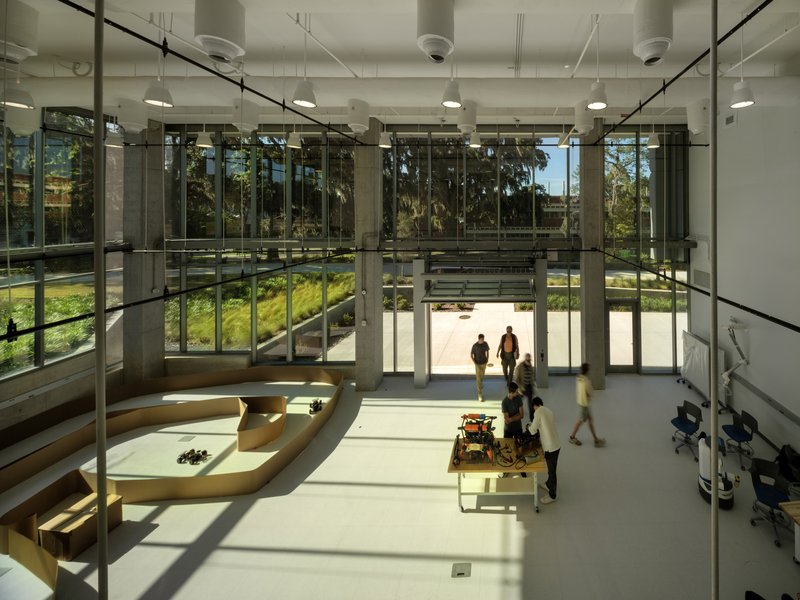
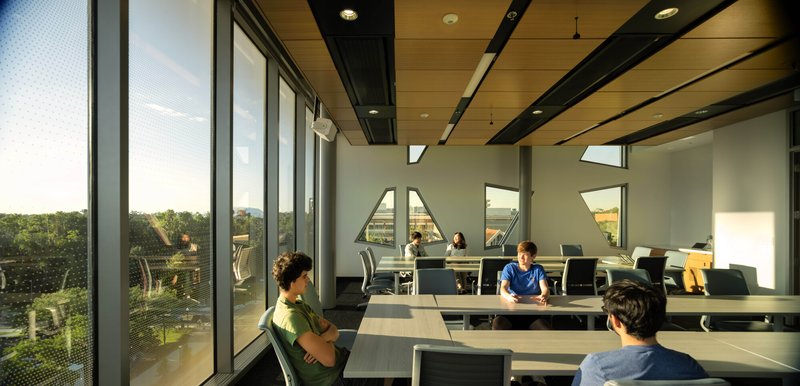
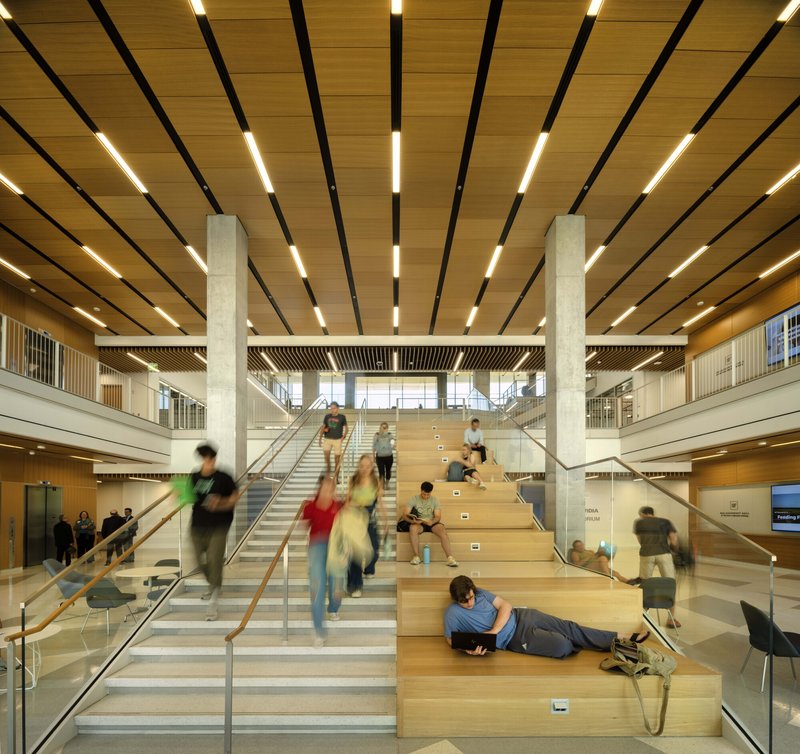
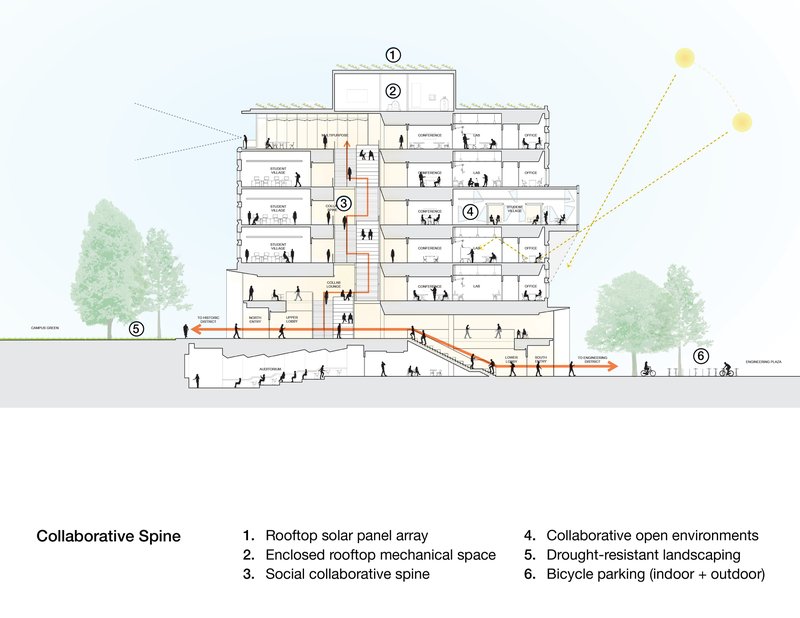
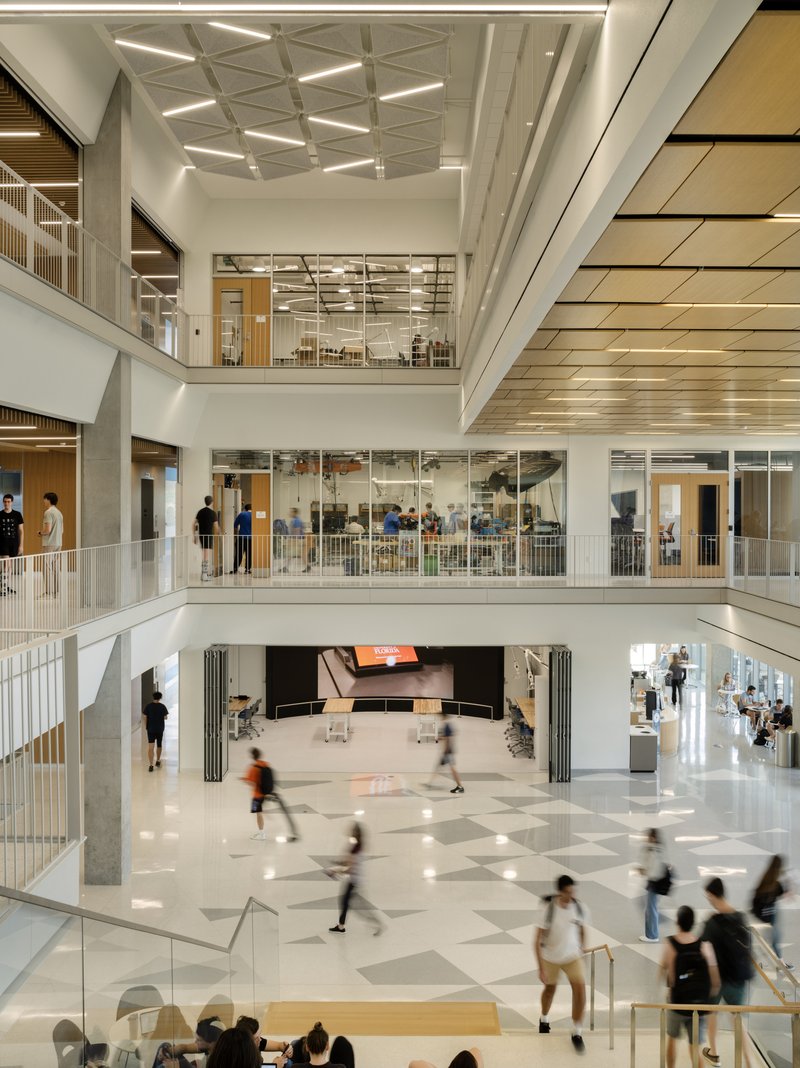
Stepping inside, the transition from exterior to interior is marked by an immediate embrace of light and space. The architects have masterfully employed expansive glazing, allowing natural light to flood the interiors, creating an atmosphere that is both invigorating and contemplative. This careful orchestration of light fosters an environment where students and faculty can engage in the rigorous pursuit of knowledge, unencumbered by the confines of traditional academic spaces.
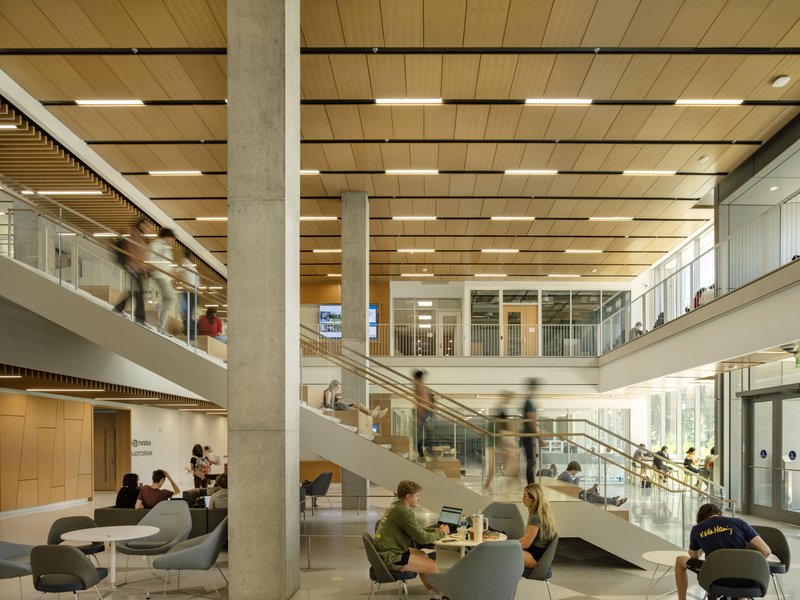
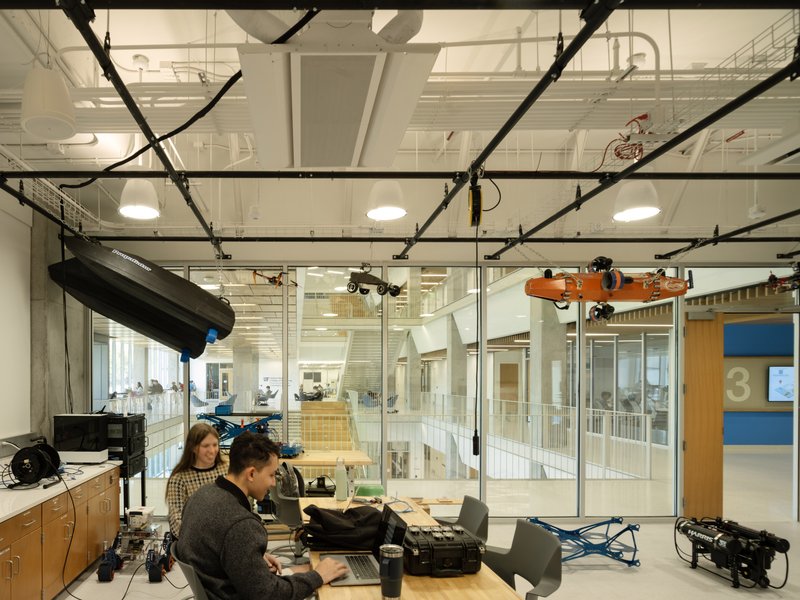
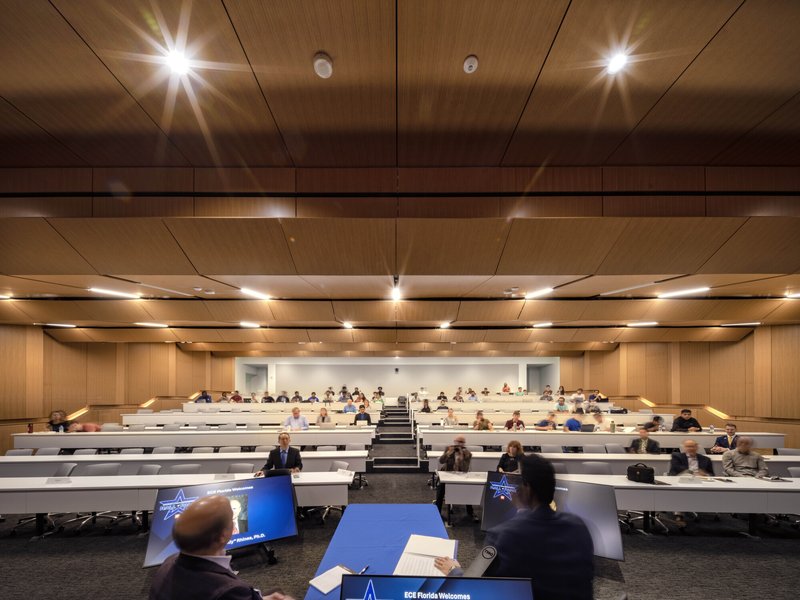
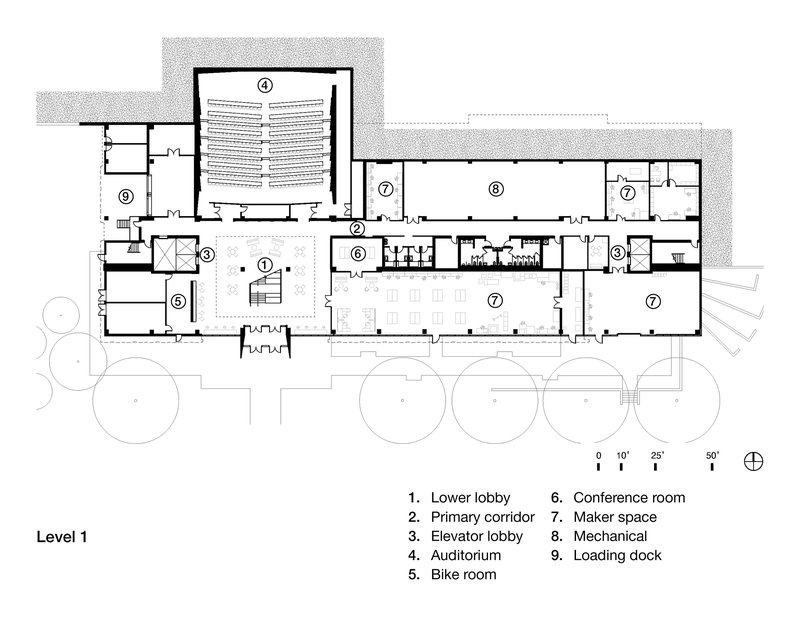
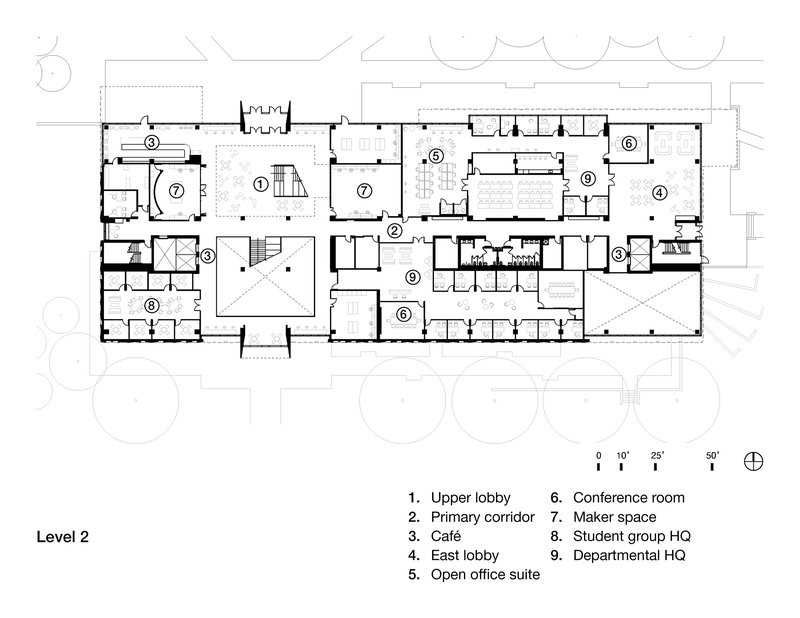
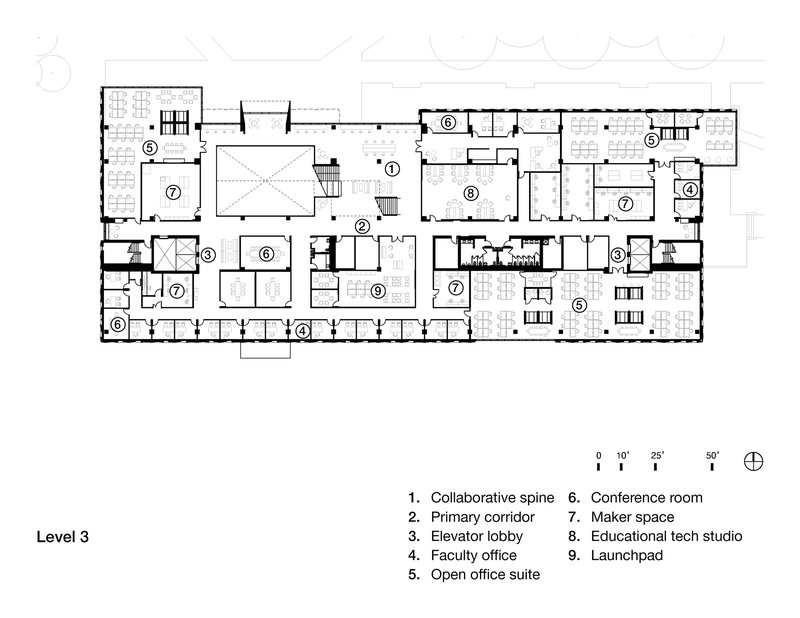
Malachowsky Hall's interior layout is a study in the balance of openness and intimacy. The design facilitates spontaneous interactions among scholars, nurturing a culture of collaboration across disciplines. At its core, the building serves as a nucleus for the Herbert Wertheim College of Engineering, the College of Medicine, and the College of Pharmacy, bringing together diverse minds united by a singular purpose: to harness the power of data and AI for the advancement of health and technology.
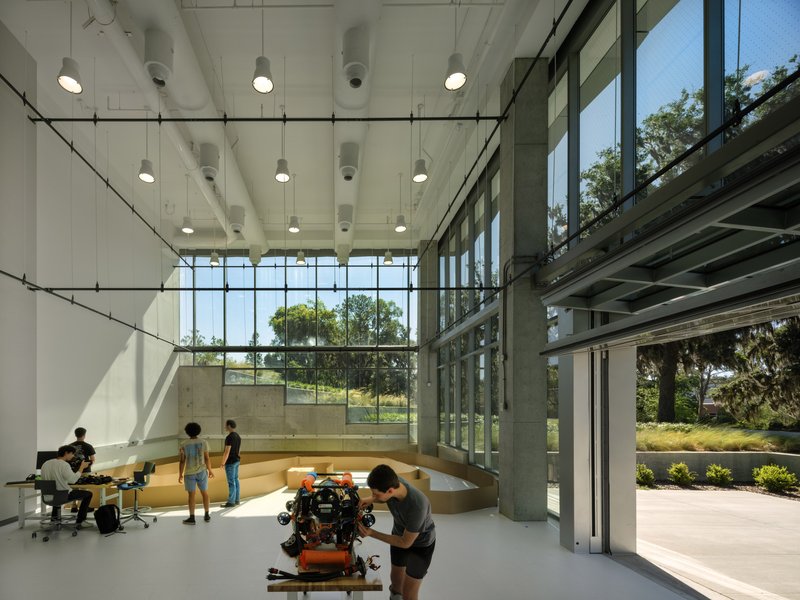
The materials chosen for the interior spaces are an ode to precision and quality. From the warmth of the wooden finishes to the sleek, polished surfaces of the common areas, every element has been meticulously crafted to enhance the user experience. The tactile quality of these materials invites touch, grounding the occupants in the physicality of the space, while simultaneously elevating the overall aesthetic.
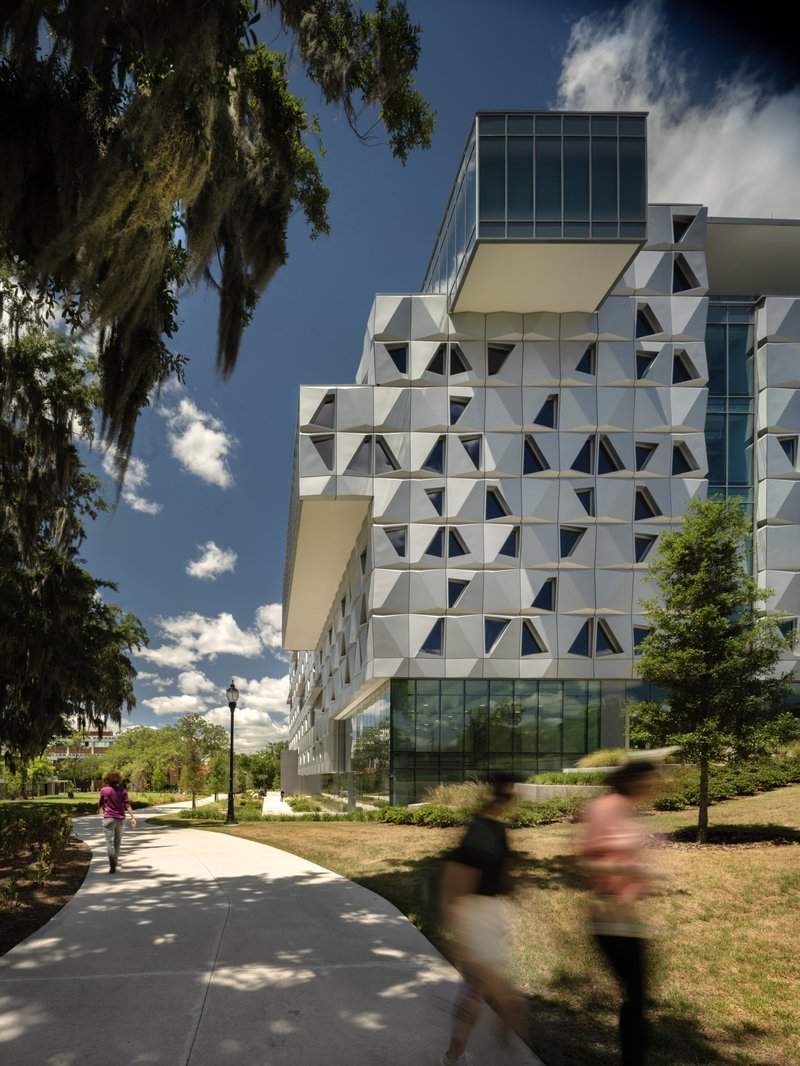
As a LEED Platinum certified project, Malachowsky Hall embodies a commitment to sustainability and ethical responsibility. The integration of green technologies and energy-efficient systems underscores the university's dedication to environmental stewardship, ensuring that the building not only serves its immediate academic purpose but also stands as a model for future developments.
The Hall is more than a structure; it is a beacon of ethical and equitable advancement in artificial intelligence and data analytics. Within its walls, the next generation of innovators and thinkers are sculpted, equipped with the tools necessary to navigate and shape the future landscape of technology and healthcare.
In summary, Malachowsky Hall is a triumph of contemporary architecture, where the essence of design is interwoven with the pursuit of academic excellence. It invites all who enter to partake in a journey of discovery and innovation, standing as a testament to the enduring power of thoughtful design and its ability to inspire and transform.