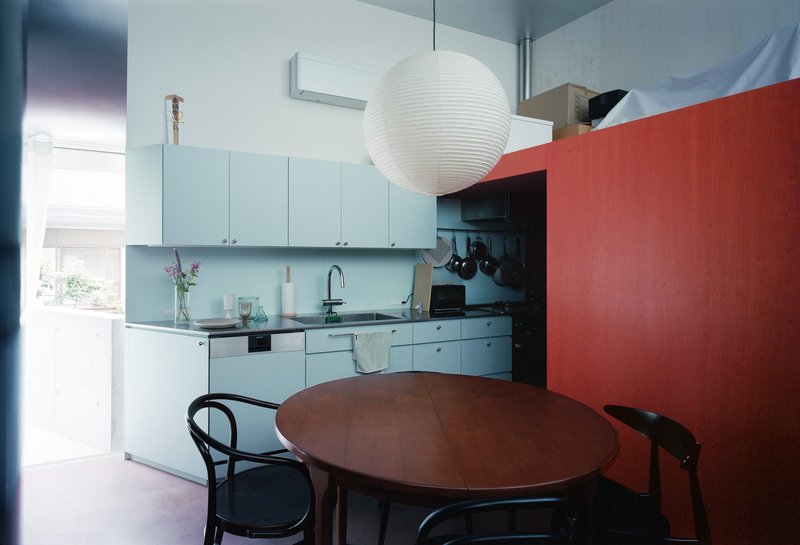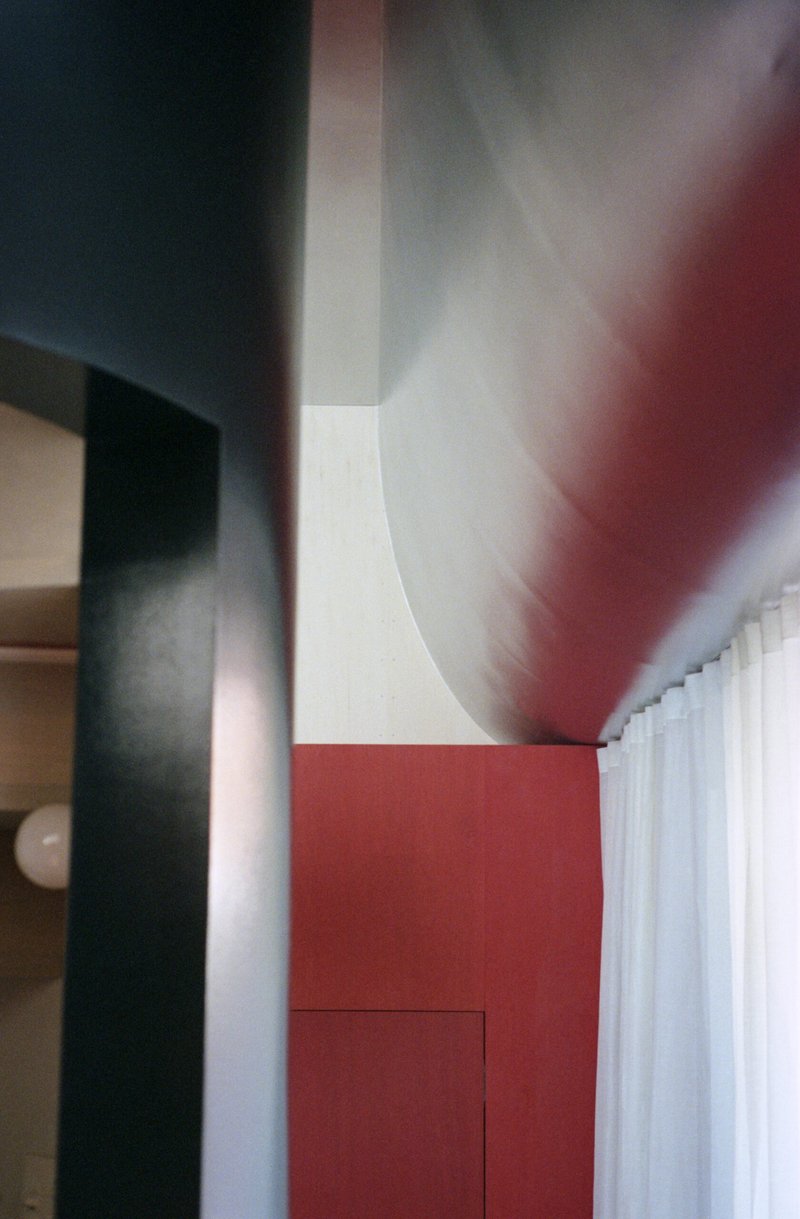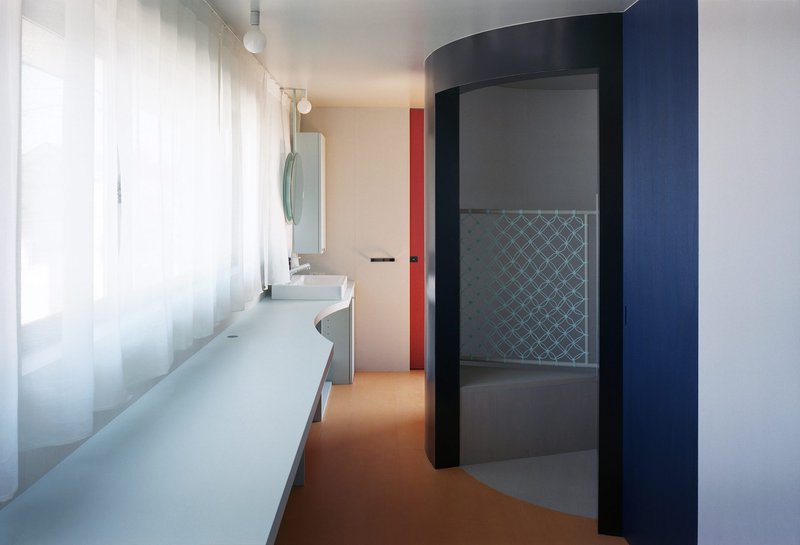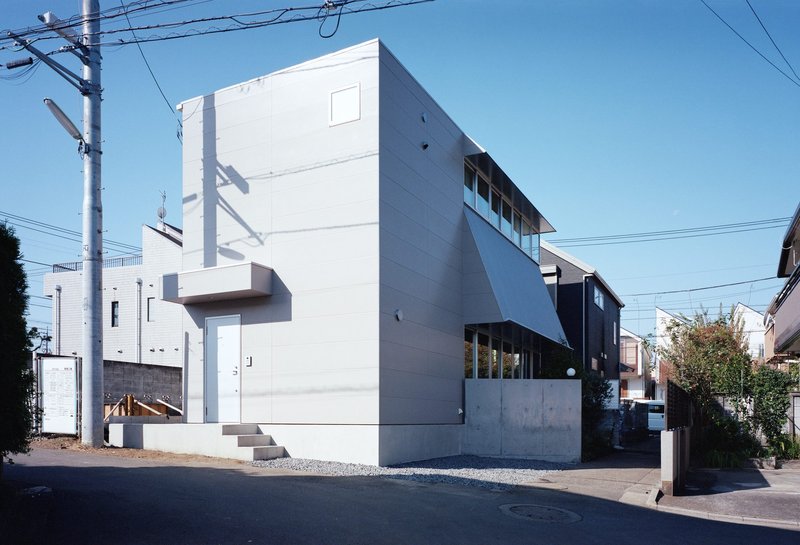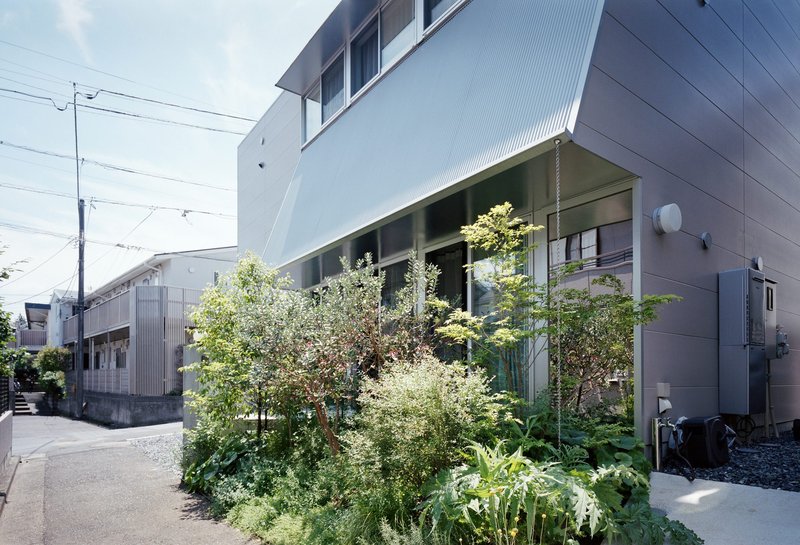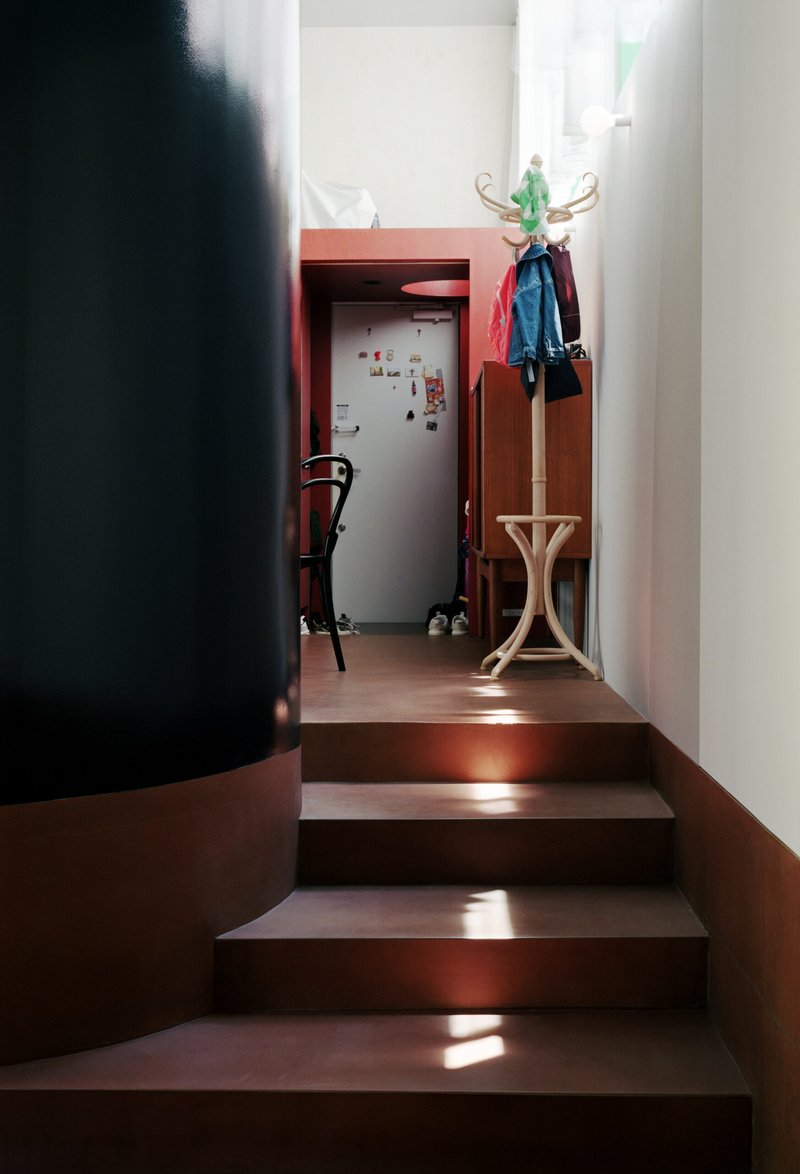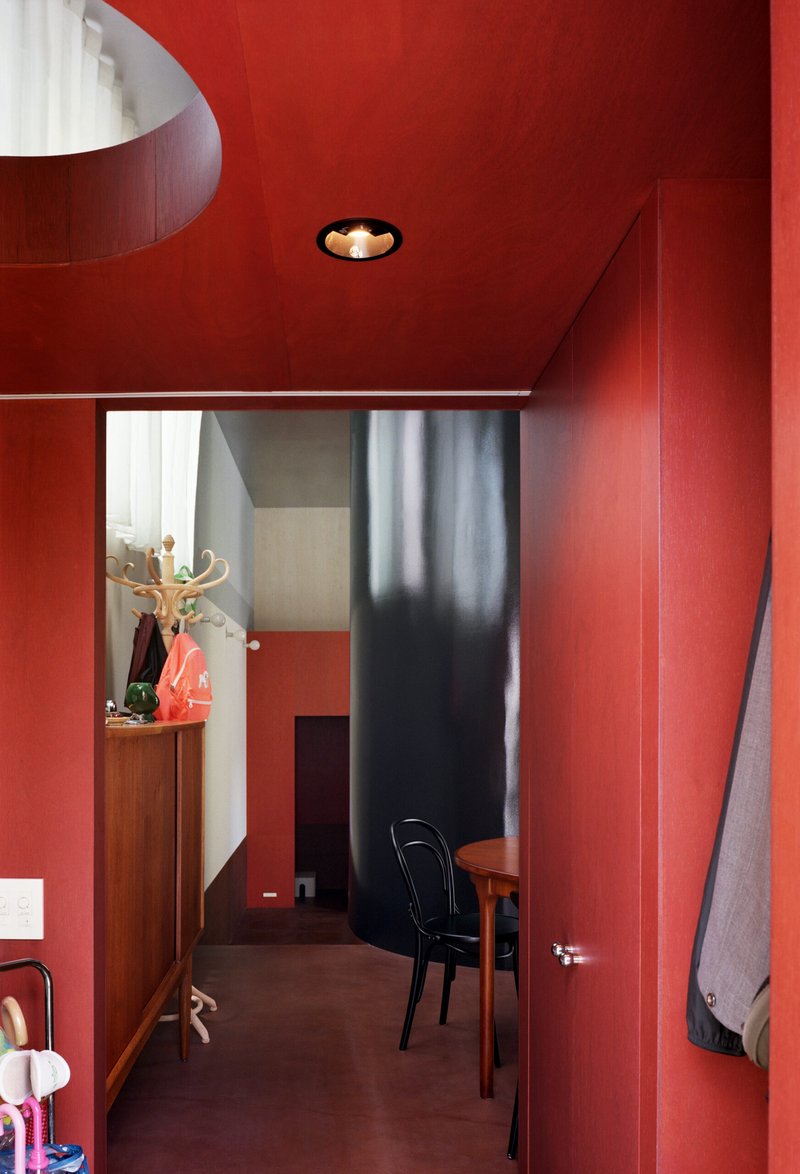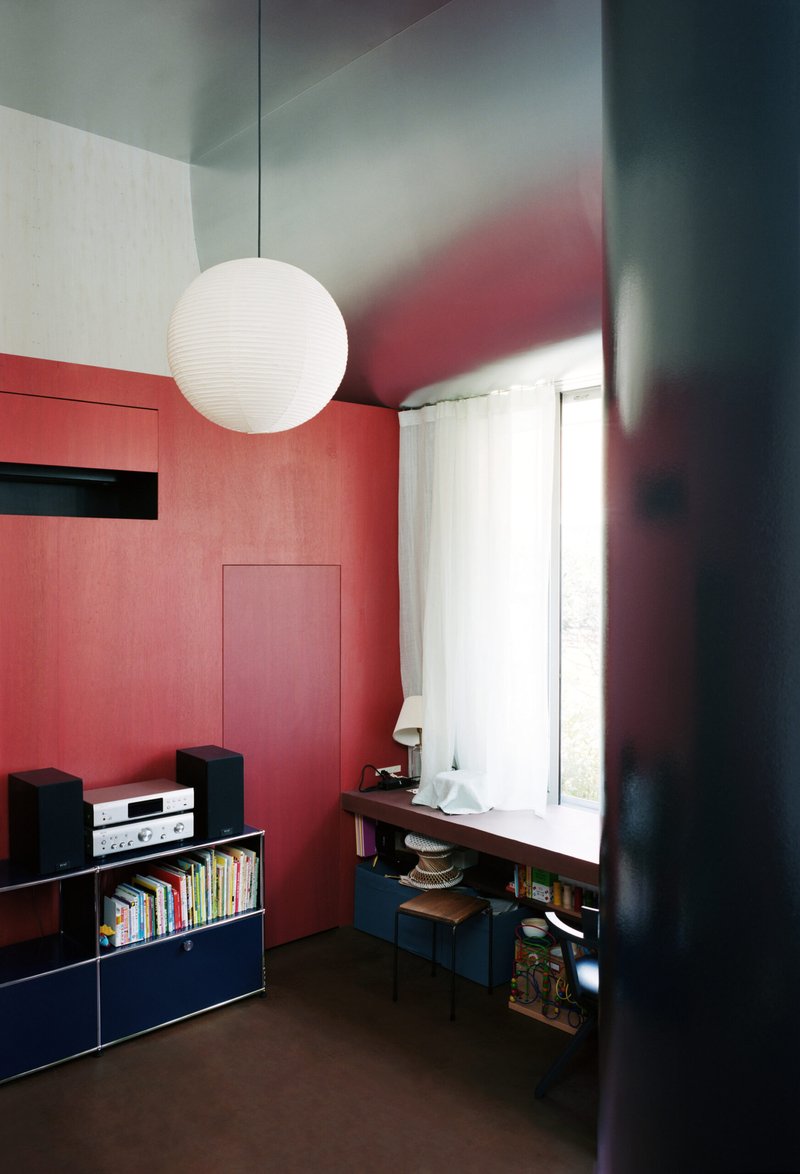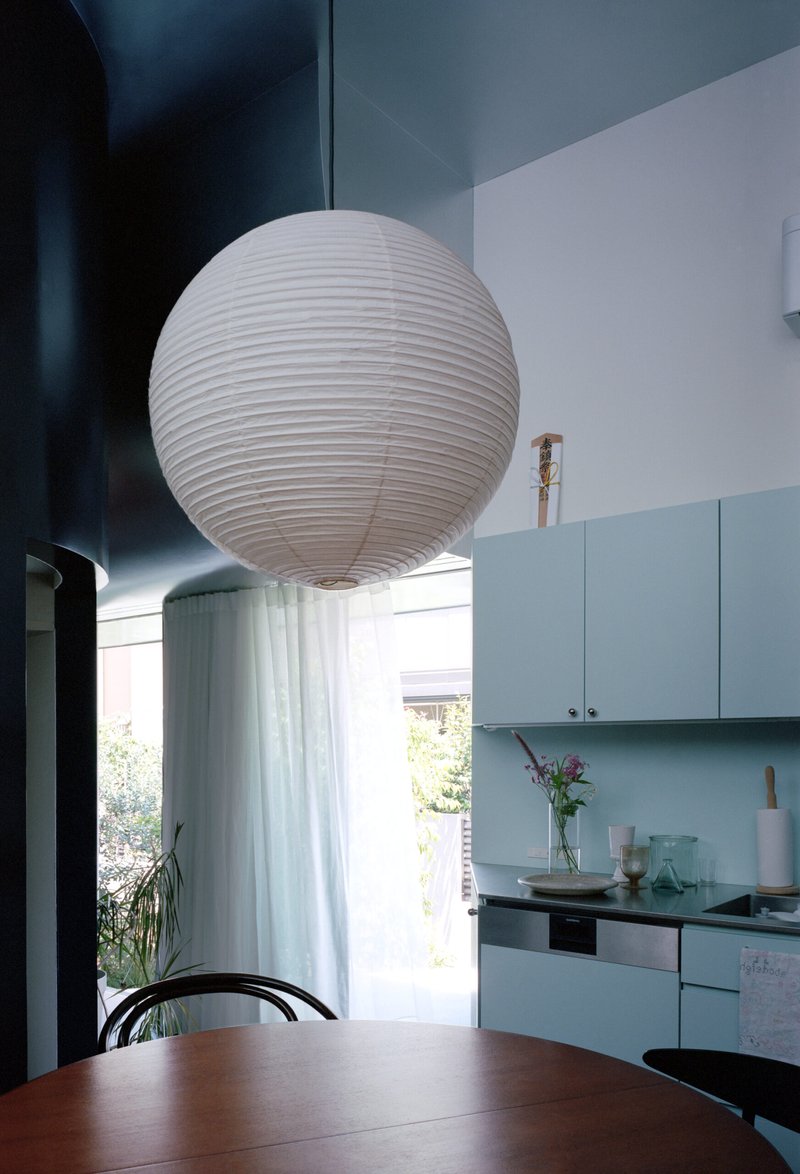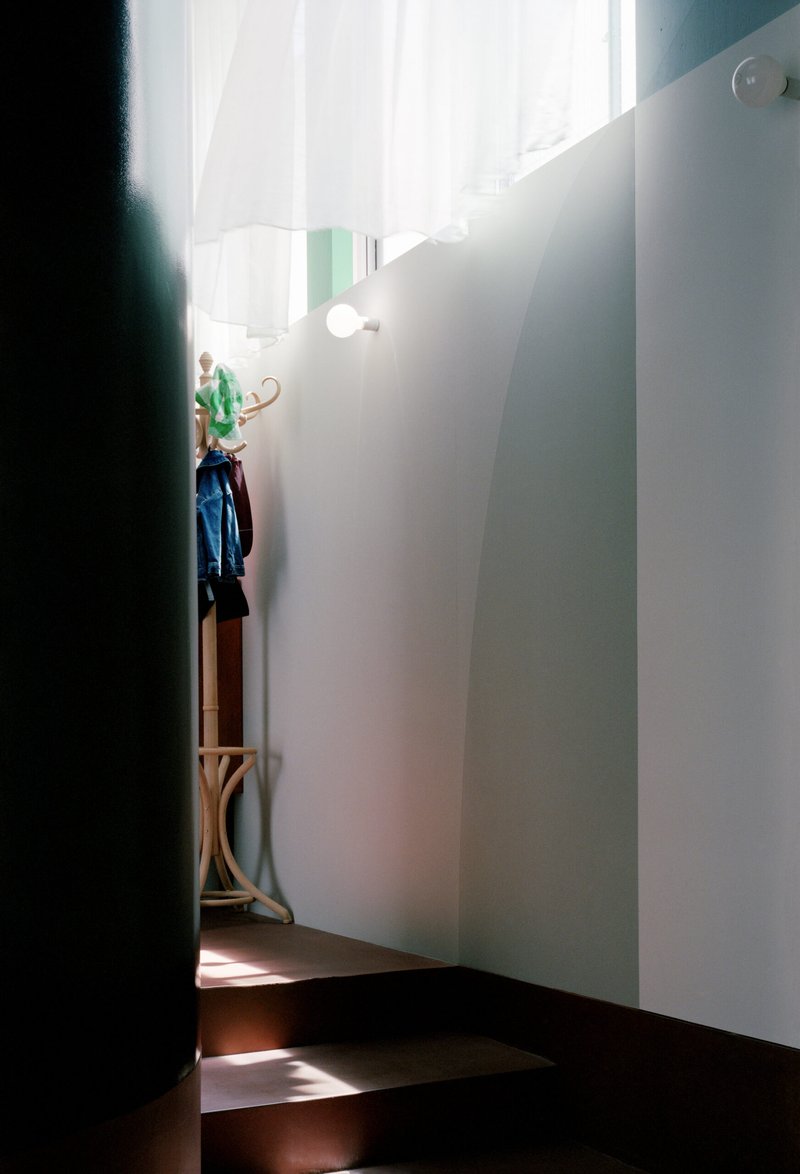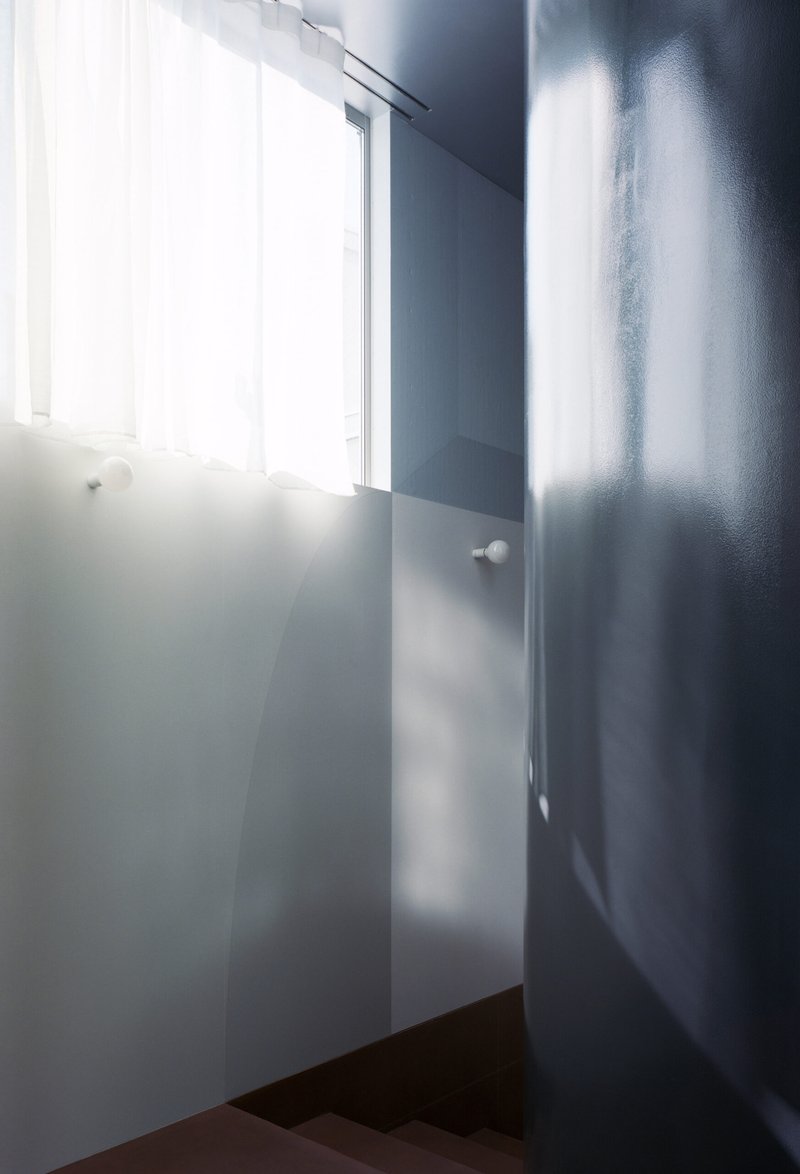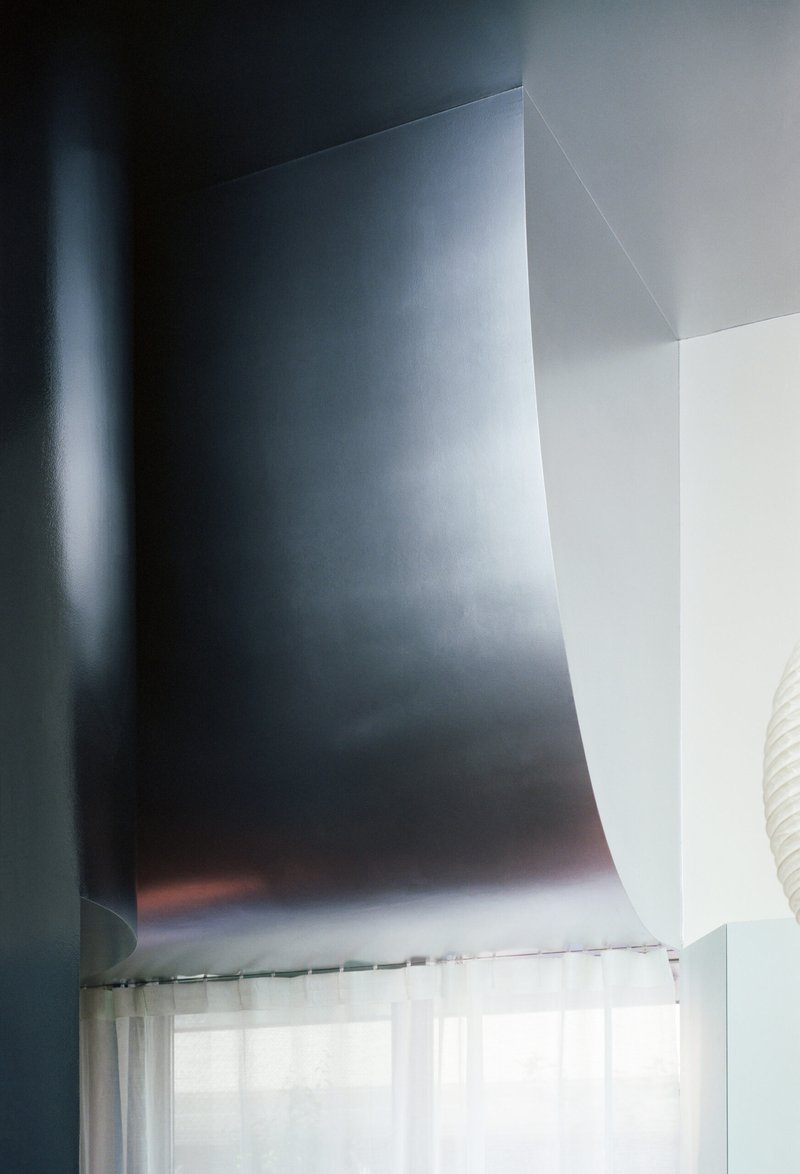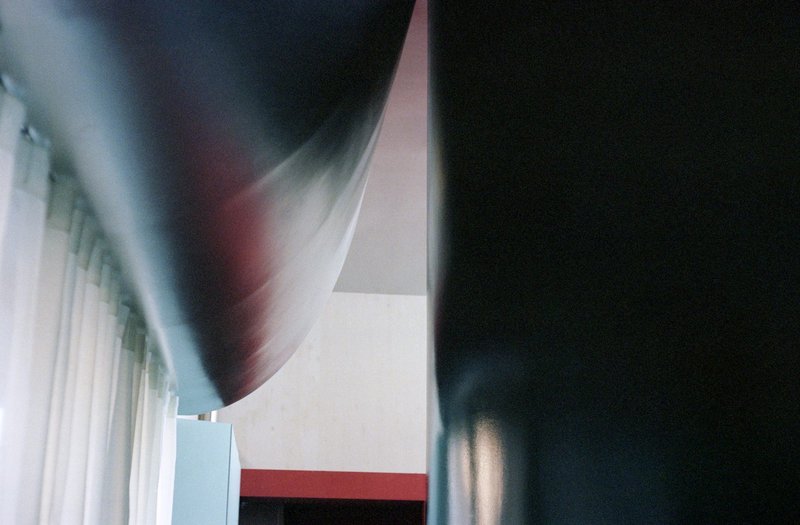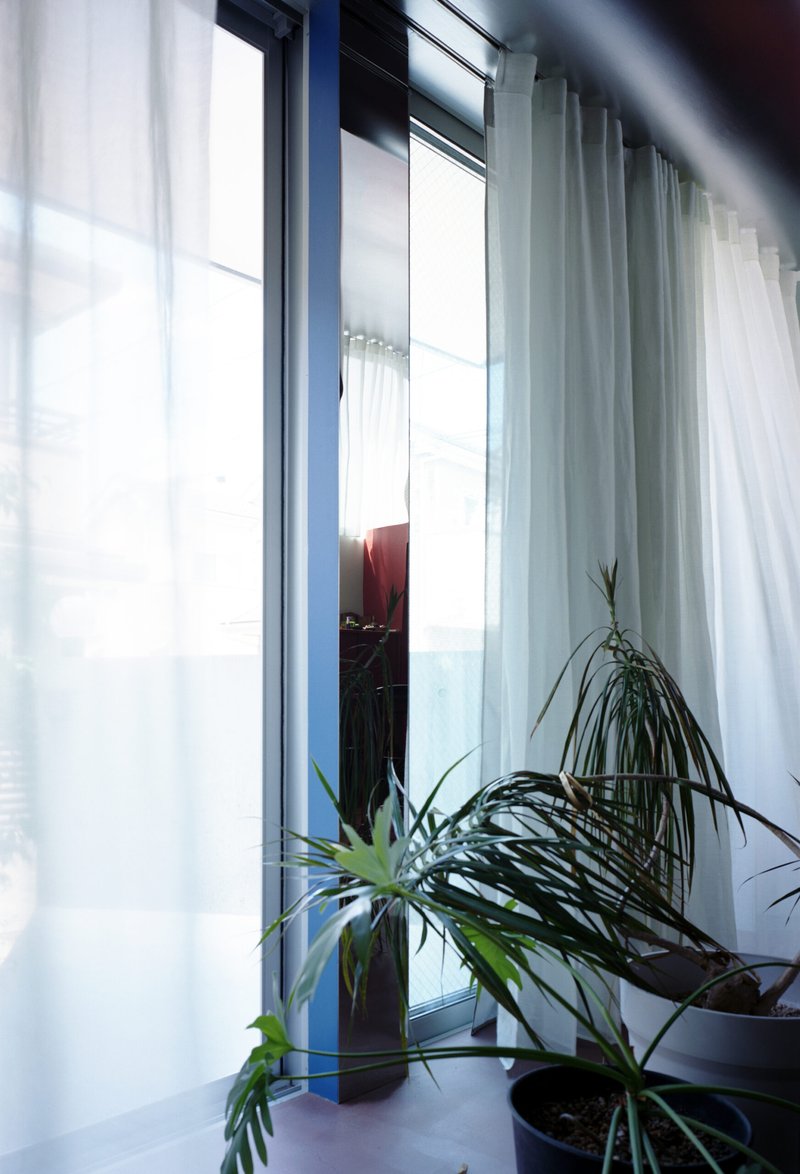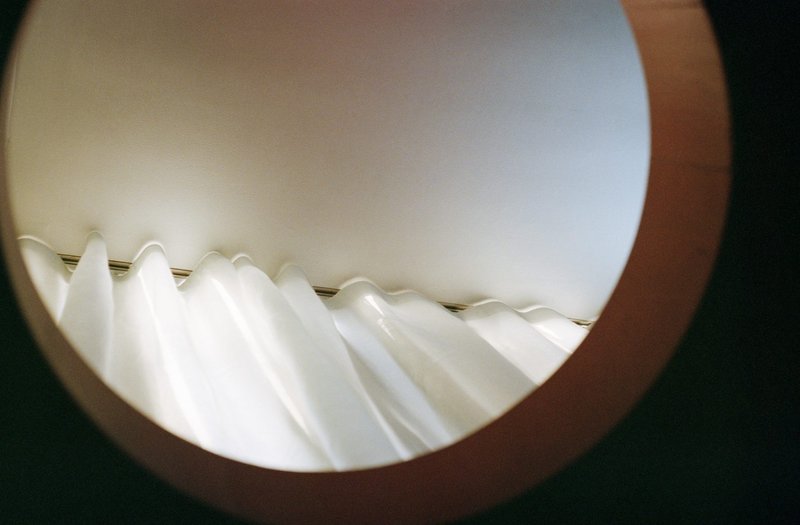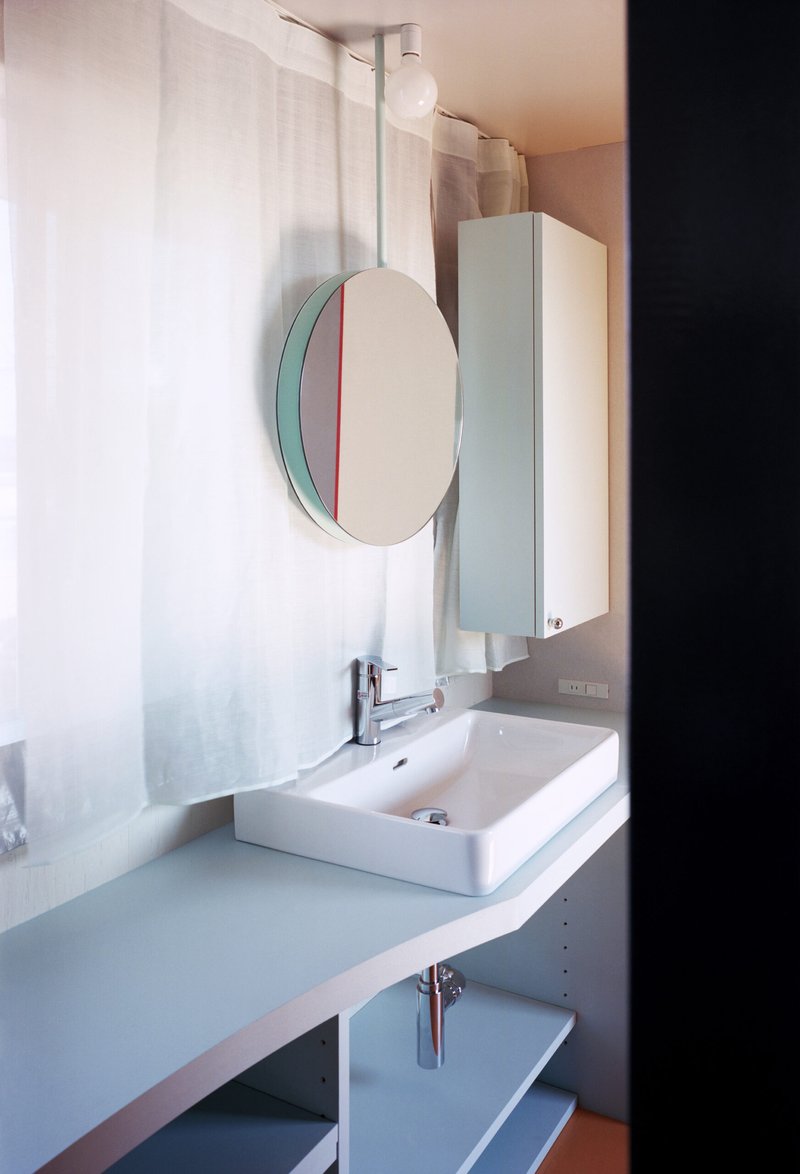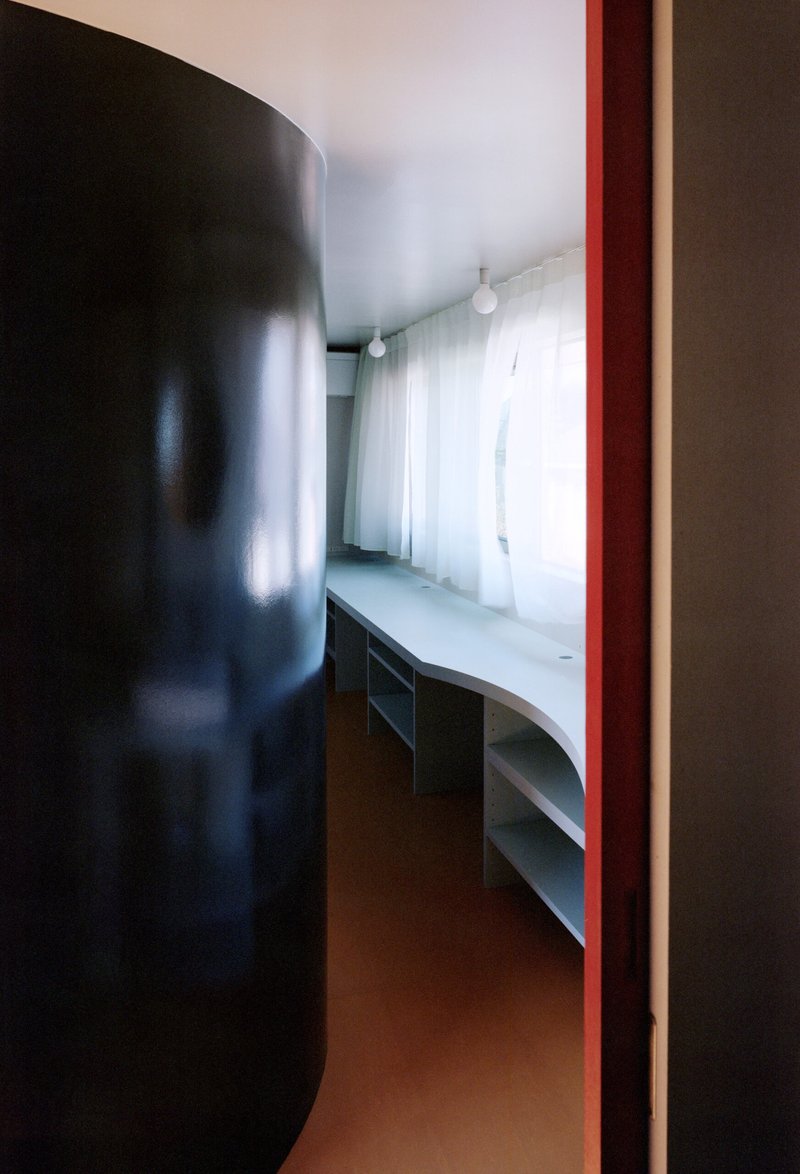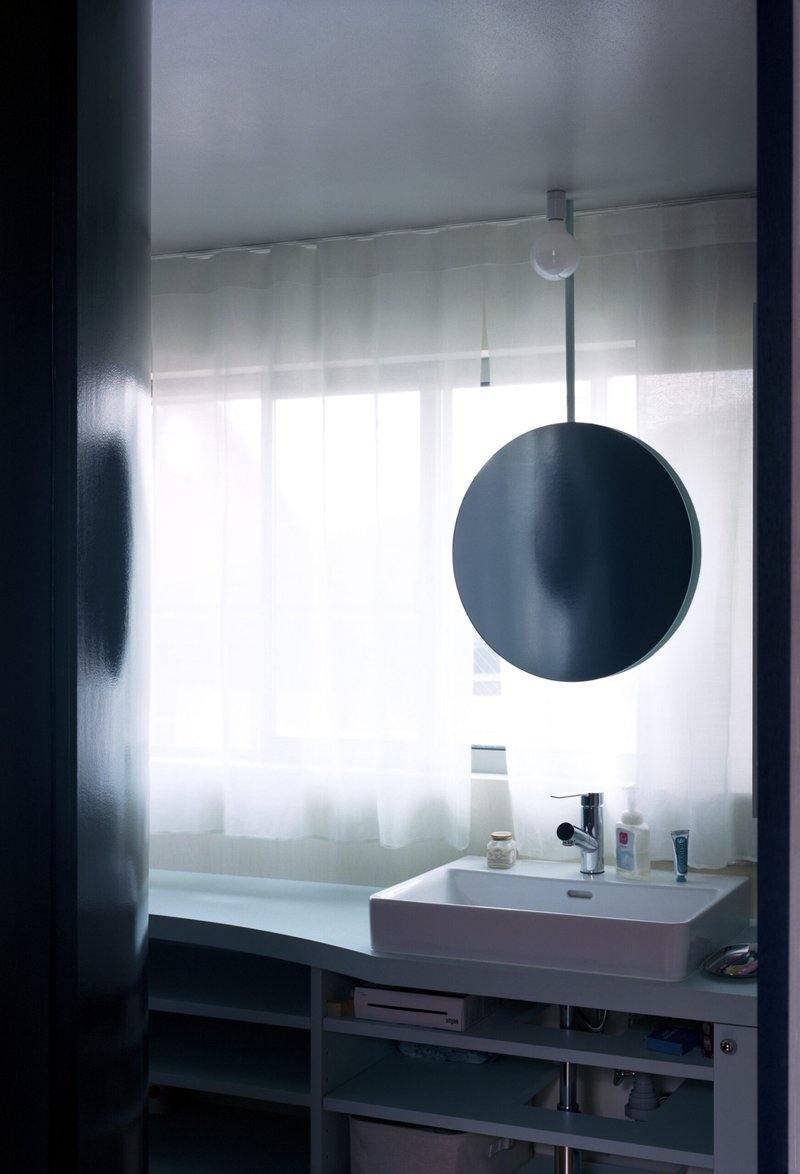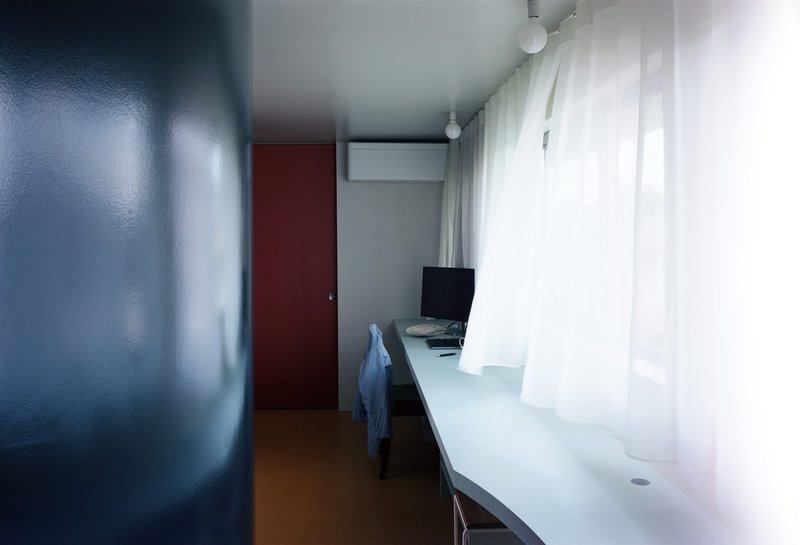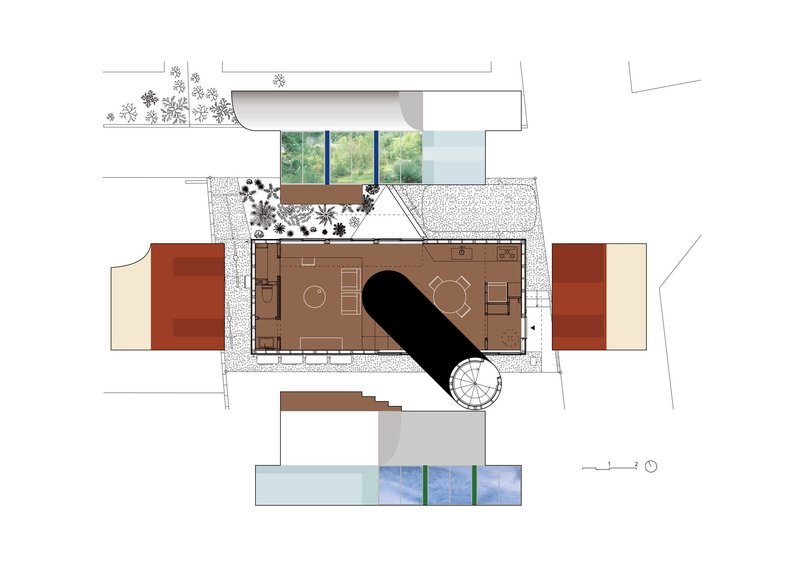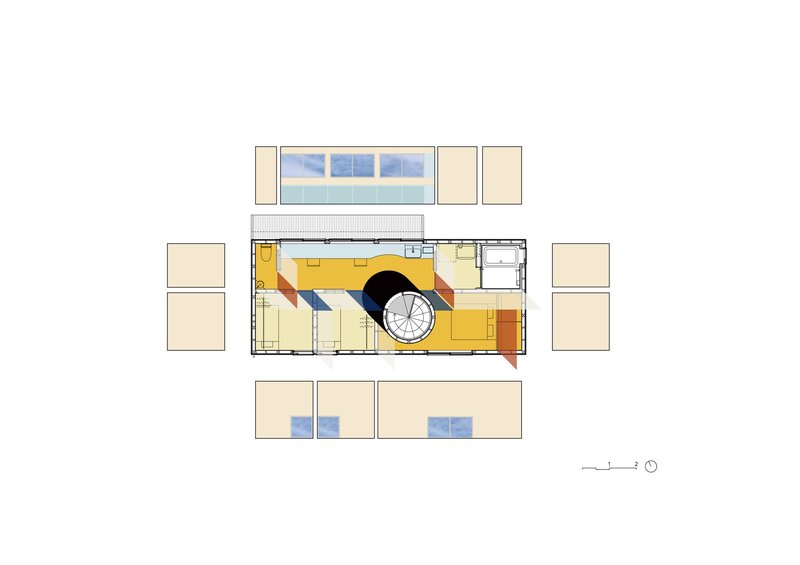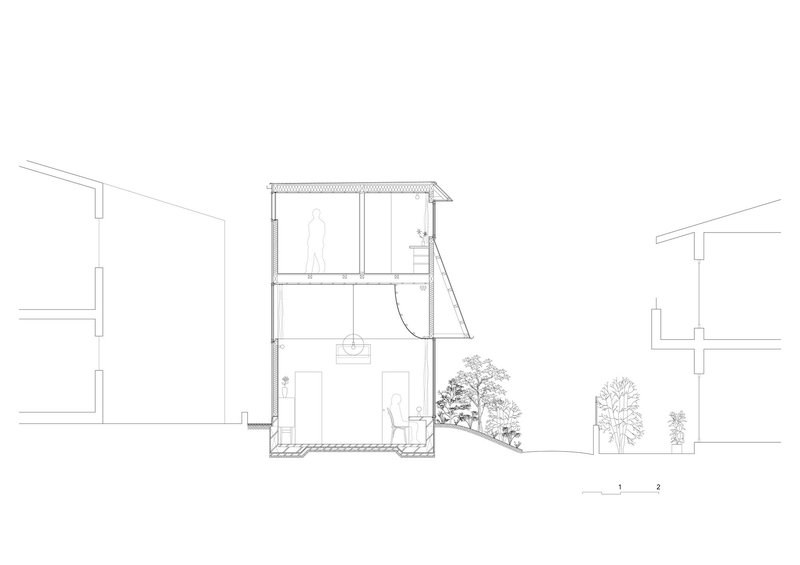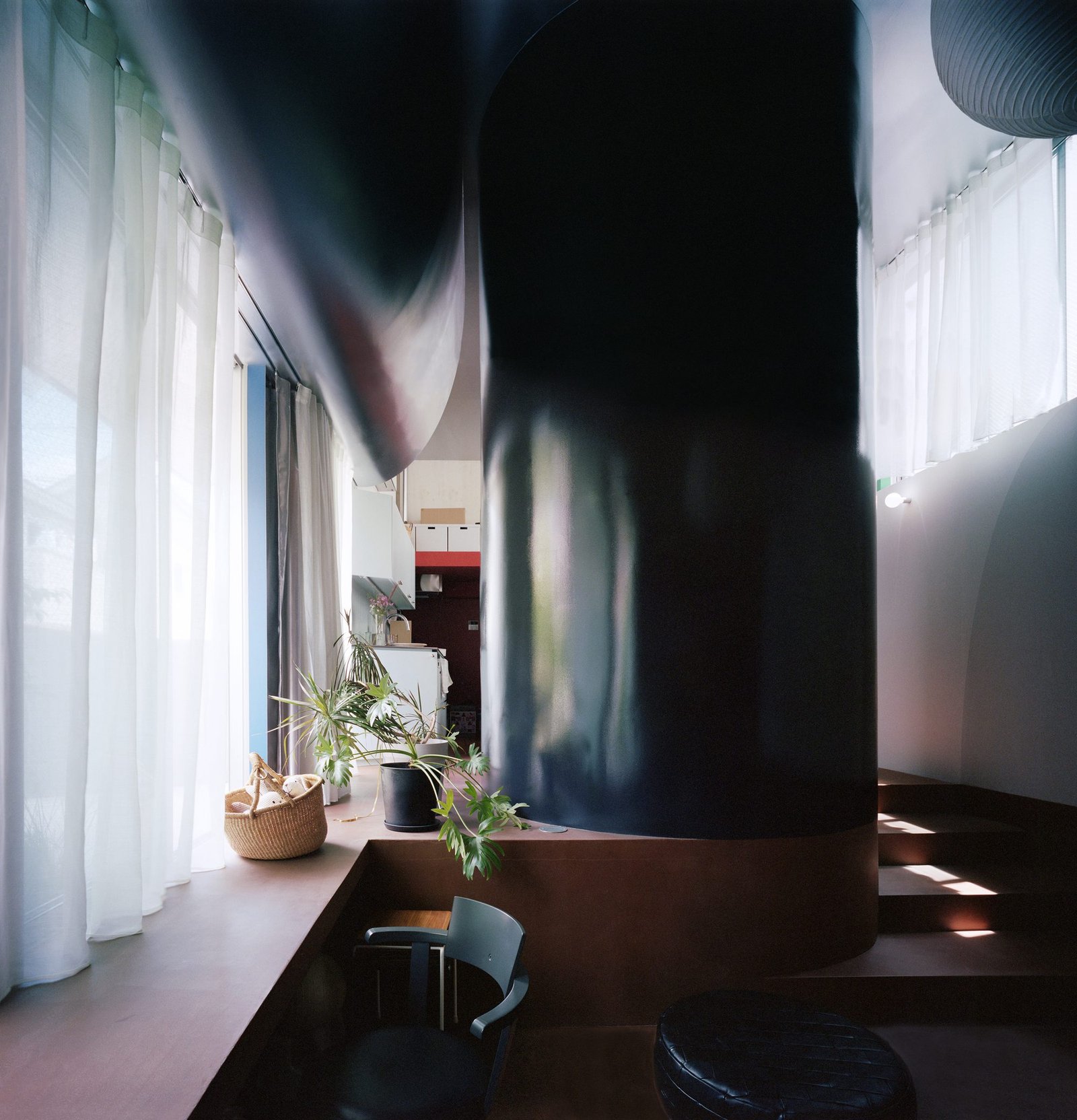
In the heart of Tokyo, amidst the pulsating rhythm of the city, lies the House of After Image, a serene refuge crafted for a young family. Positioned strategically within a typical residential neighborhood, this architectural gem by ULTRA STUDIO defies the ordinary by embracing the subtle beauty of its surroundings. The dichotomy between the bustling front street and the intimate alleyway sets the stage for a harmonious dialogue between the built environment and nature. The house's facade, a silent witness to the urban tapestry, turns its gaze towards the alley, where a lush garden and a pristine window invite a symphony of natural light and verdant views, crafting a narrative of tranquility. This deliberate orientation transforms the alley into the home's true face, a gentle nod to the neighboring gardens that weave a tapestry of life and growth. The understated elegance of the exterior belies the dynamic interplay of form and function within. Upon entering, one is enveloped by a sense of vertical liberation, where the first floor's generous four-meter ceiling height contrasts with the intimate confines of the second level. This vertical expansion, a masterstroke of spatial choreography, enhances the perception of depth and volume in a compact footprint. Central to this architectural ballet is the enigmatic black cylinder, a sculptural element that orchestrates the interior's rhythm. This cylindrical sentinel, both a divider and a unifier, punctuates the living spaces with an aura of mystery. Encircling it, an array of decorative elements, each with its own provenance, composes a visual symphony. Among these, a silver horizontal cylinder above the alley-facing window serves dual purposes, reflecting light and offering a conduit for essential utilities, illustrating a seamless blend of aesthetics and pragmatism. In a subtle interplay of reflection and perception, a mirror affixed to a blue column allows the kitchen to converse with the living room, fostering a visual connection that enhances the sense of communal space. The northern elements, kitchen and cylinder alike, find their mirrored counterparts transposed onto the southern interior wall as painted forms, a testament to the architecture's commitment to visual continuity. As one ascends to the upper level, the black cylinder reemerges in each room, a constant presence that unifies the fragmented spaces. Sliding doors, when opened, reveal the cylinder's dual role as a connector, imparting a sense of rotational movement that animates the interior landscape. Color, an ephemeral yet potent force, is artfully scattered throughout the dwelling, its hues shifting with the dance of light and time, bestowing the house with a chameleon-like quality. Beneath this ever-changing canvas, the black cylinder remains a steadfast focal point, an 'unseen area' that tantalizes the periphery of vision. This visual void, a deliberate omission, conjures an infinite series of fragmented images, each perspective shift adding a layer to the residents' cognitive tapestry. As daily life unfolds, these images weave themselves into the fabric of memory, rendering the space increasingly tangible even as the black cylinder recedes from conscious awareness. The symbolic nature of the architecture, once prominent, gently cedes to the mosaic of fragmented images, until the cylinder becomes an intrinsic part of the home's identity. It is in this nuanced dance of presence and absence that the architecture achieves its true essence, much like the unseen nose within one's field of vision. In time, the residents may come to perceive this black cylinder not as an object, but as an integral aspect of their lived experience, a transparent yet vital component of their domestic landscape.