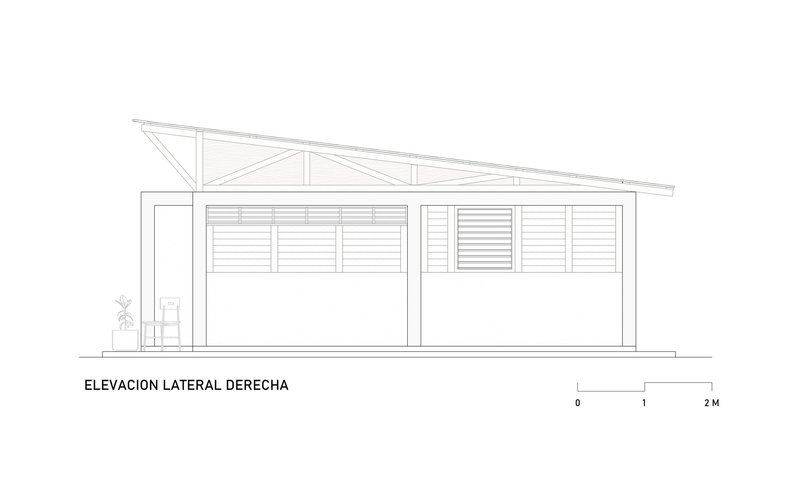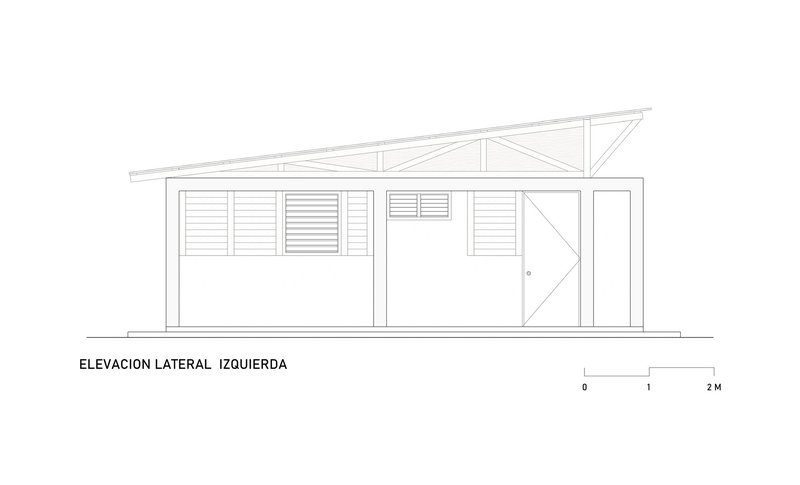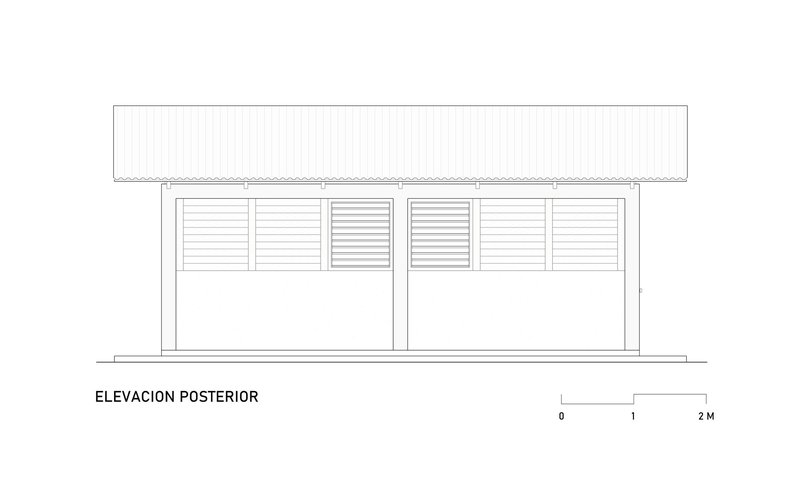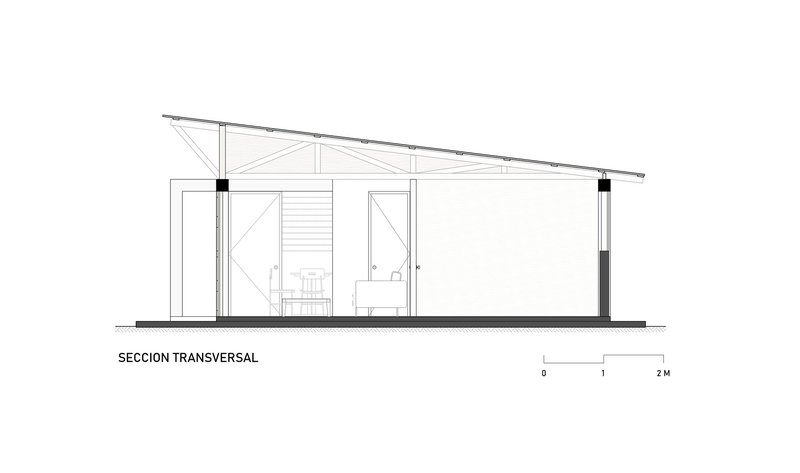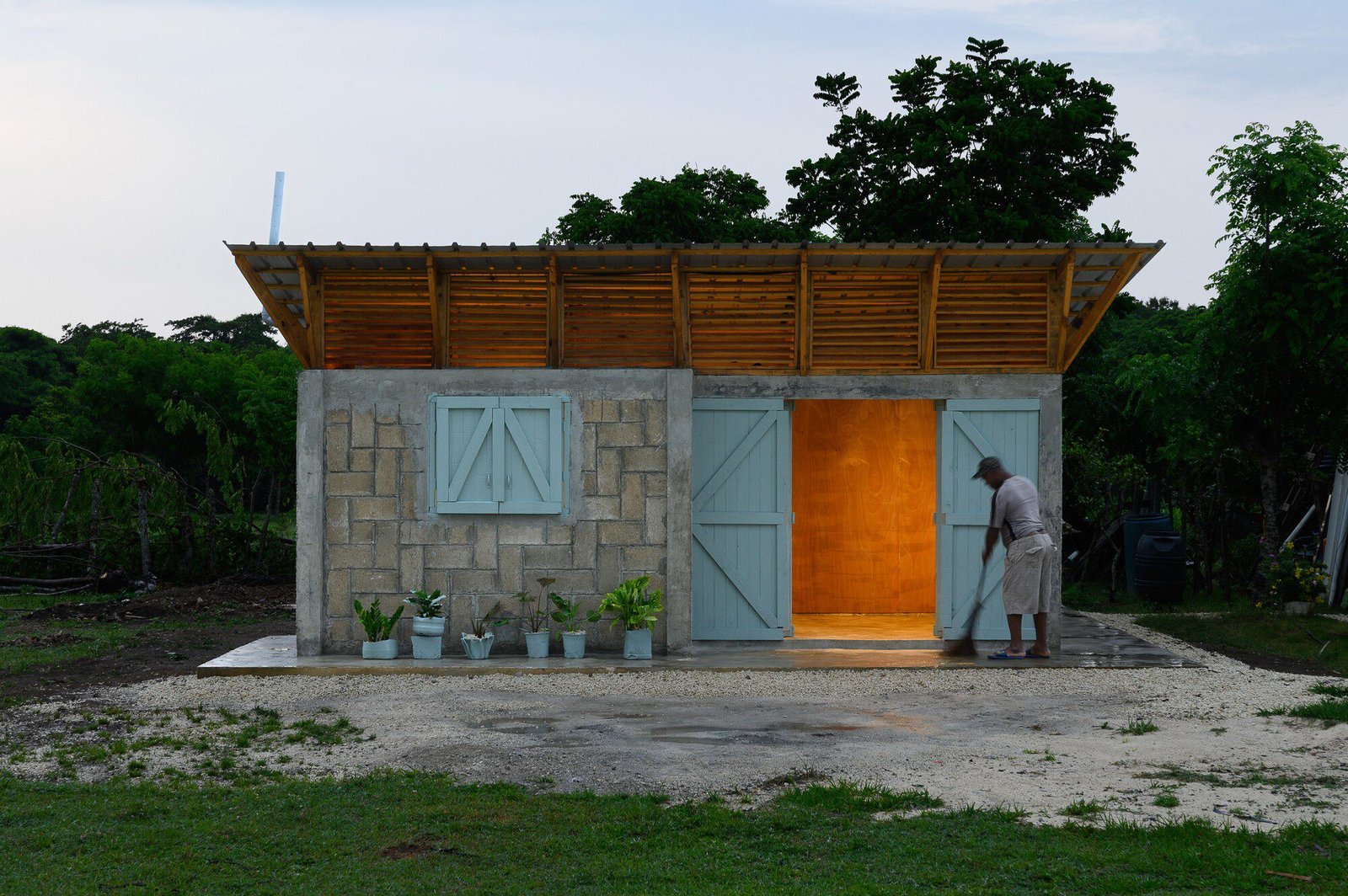
Nestled within the verdant expanses of Dos Bocas, in the province of El Seibo, Dominican Republic, the Teacher’s House emerges as a beacon of hope and resilience. This enclave, steeped in the traditions of agriculture and livestock, finds itself grappling with infrastructural challenges that have long hindered its potential. Here, amidst the embrace of nature, the boundaries between human habitation and the elements blur, offering a canvas for architectural innovation that honors both form and function.
In September 2022, the community faced the wrath of tropical storm Fiona, a force of nature that laid bare the vulnerabilities of Dos Bocas. Over 60% of the housing infrastructure was compromised, casting a shadow over the lives of its inhabitants. In response, a coalition formed by Guakia Ambiente, the Small Grants Program (PPS), and the visionary architects at Øblicuo, with the support of Banco BHD, embarked on a mission to craft 70 homes that would stand resilient against future adversities.
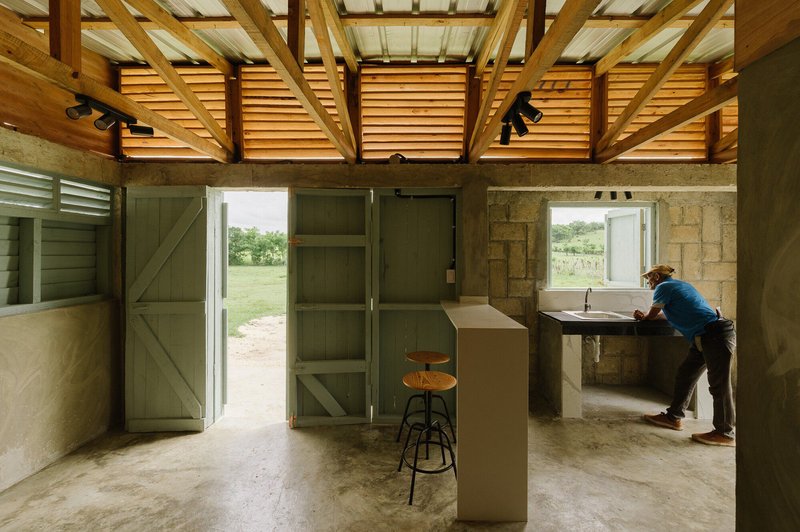
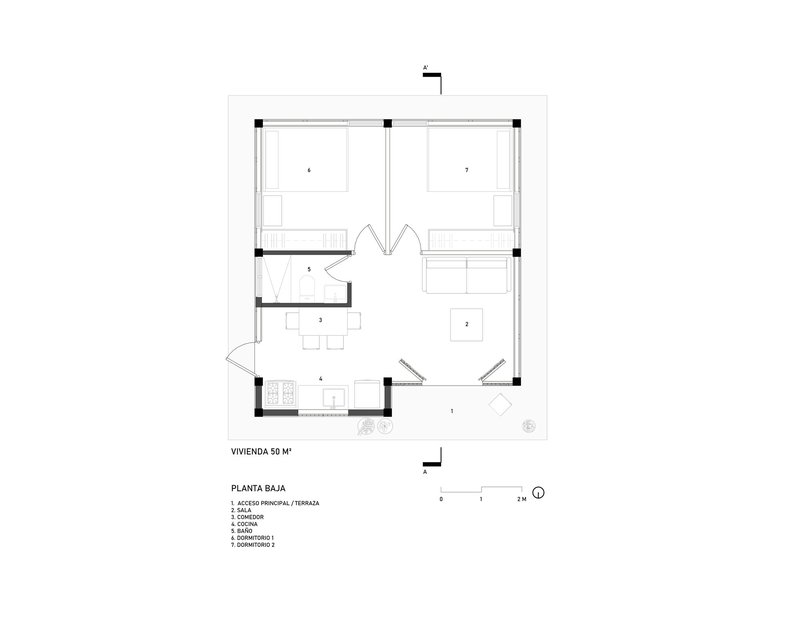
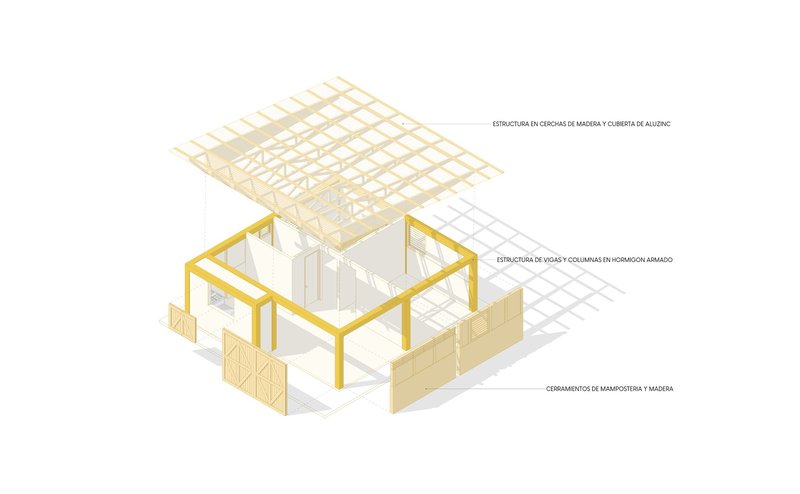
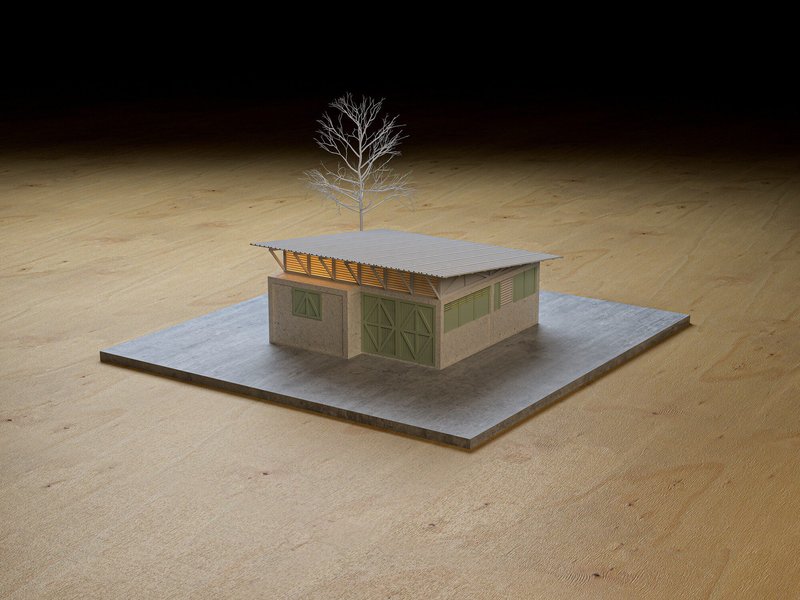
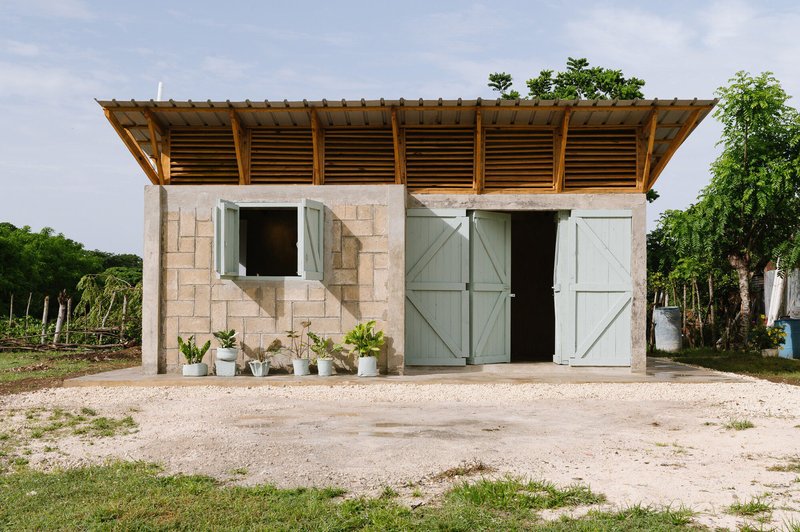
The Teacher’s House, the final jewel in this architectural diadem, benefited from the flexibility afforded by its owner, allowing for refinements that addressed the frailties of earlier prototypes. Spanning 50 square meters, this dwelling unfolds across four meticulously designed modules: the heart of the home, an area combining kitchen and bathroom; a serene living room; and two intimate sanctuaries of rest, the bedrooms. The design philosophy embraced a minimalistic approach to circulation, maximizing the utility of space without sacrificing comfort.
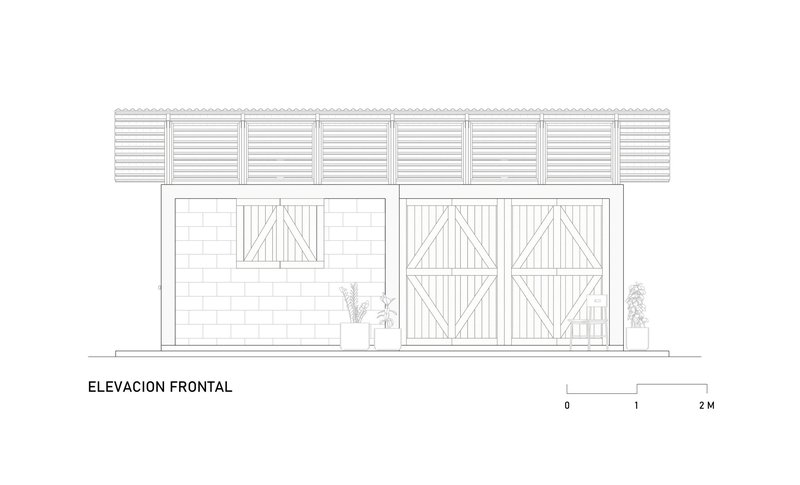
Local construction methods were honored, with the building process elegantly divided into two distinct phases. The initial phase, demanding and precise, was executed by skilled craftsmen, ensuring the structure's enduring durability. The subsequent phase invited the community's participation, where families, with their own hands, imbued the home with personal touches, painting, cladding, and installing doors and windows. This approach not only fostered a sense of ownership but also celebrated the community's spirit.
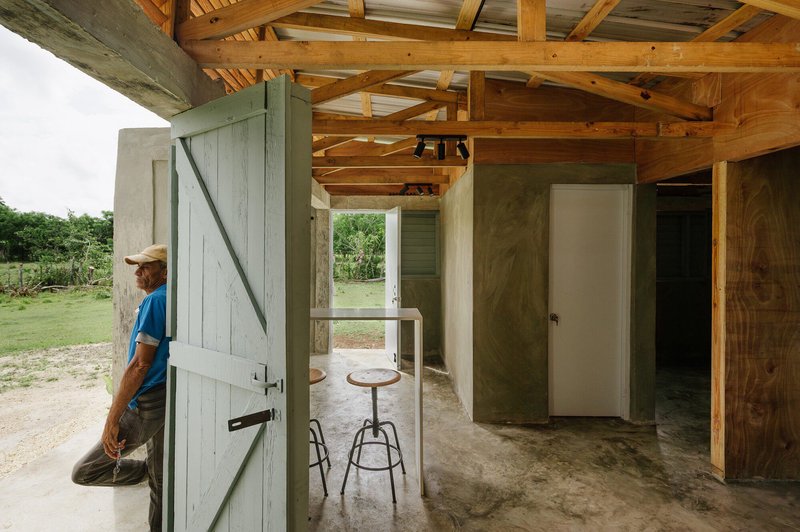
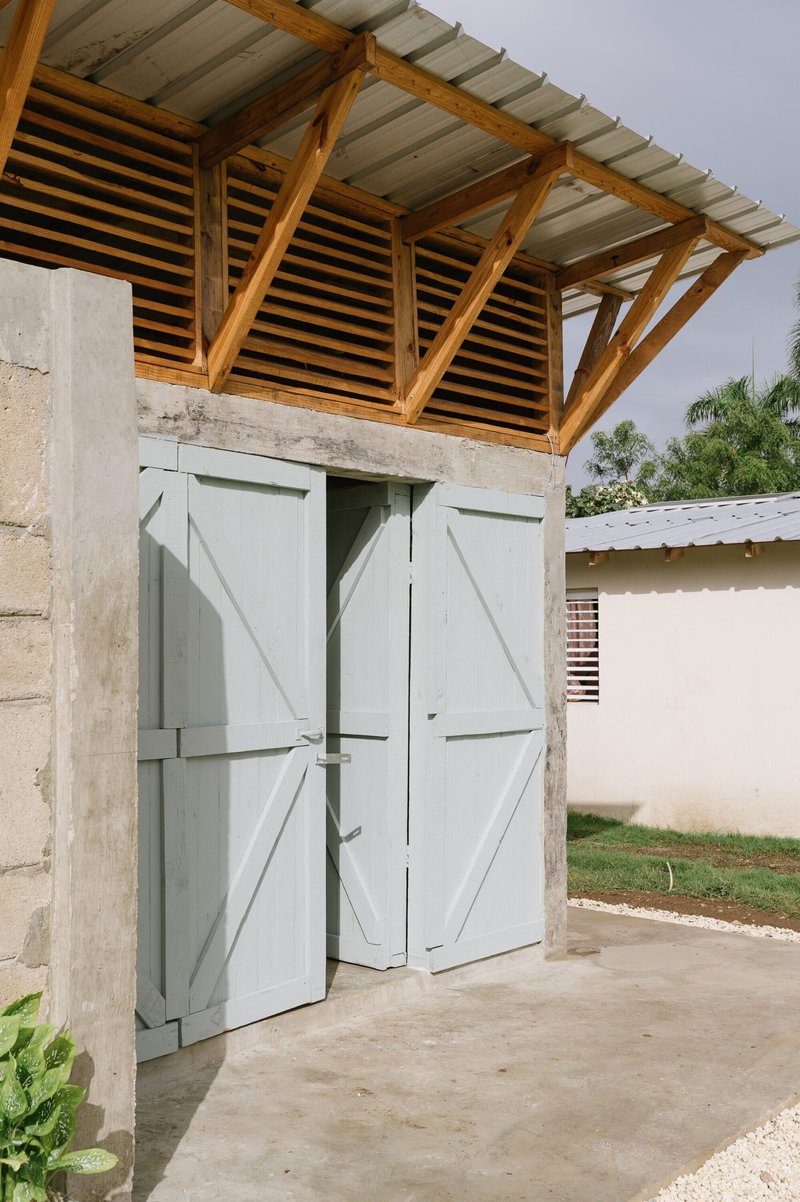
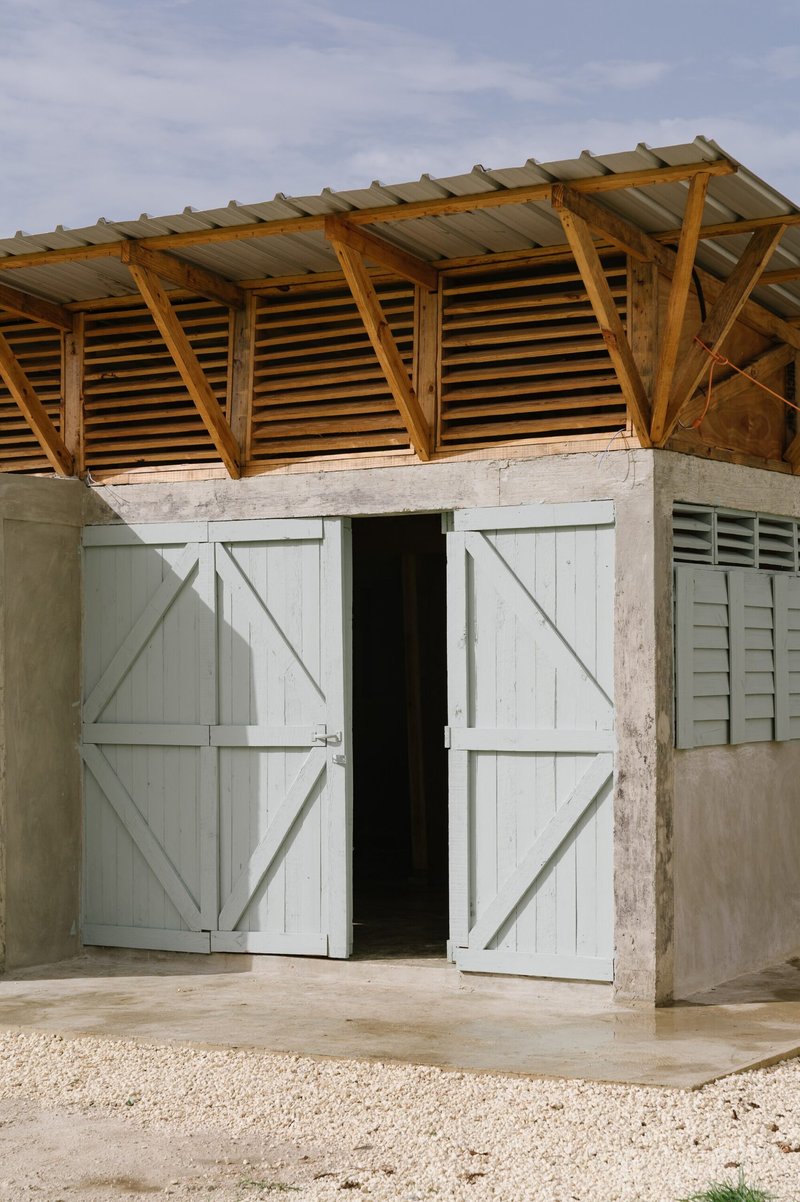
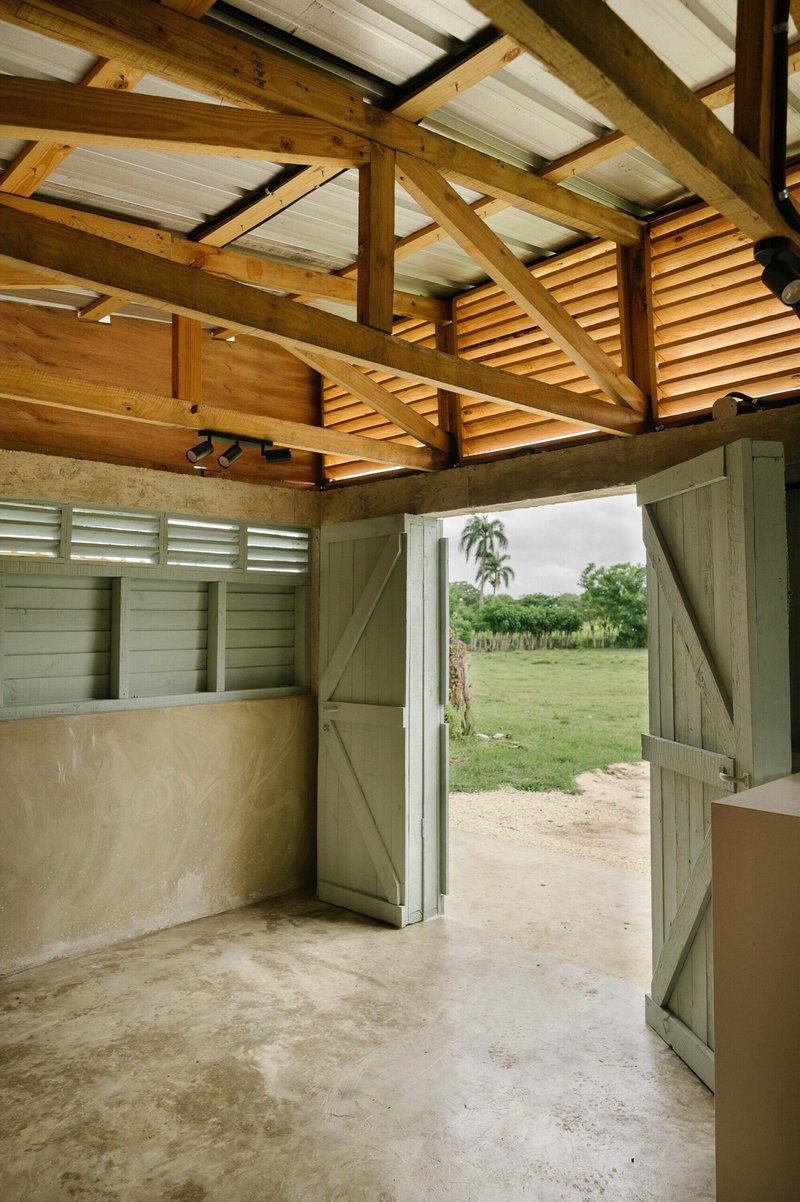
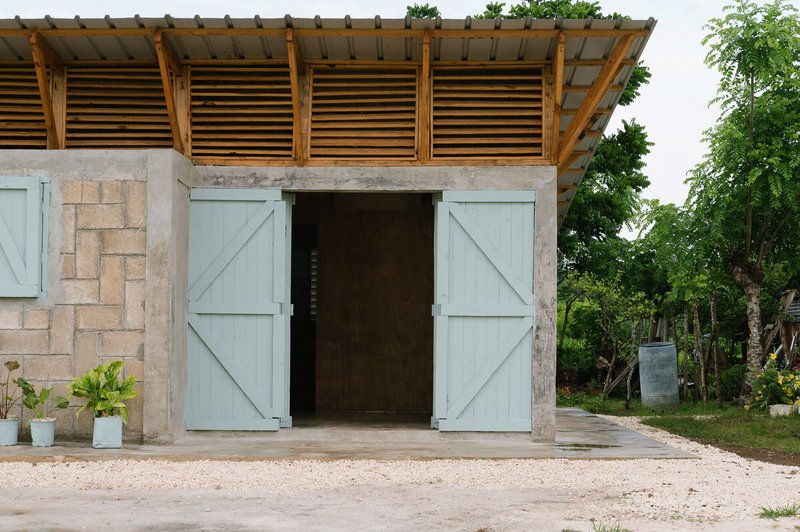
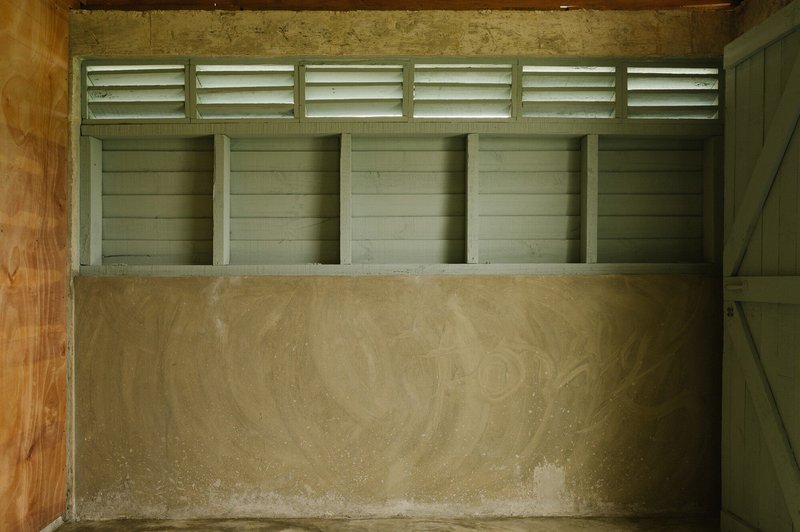
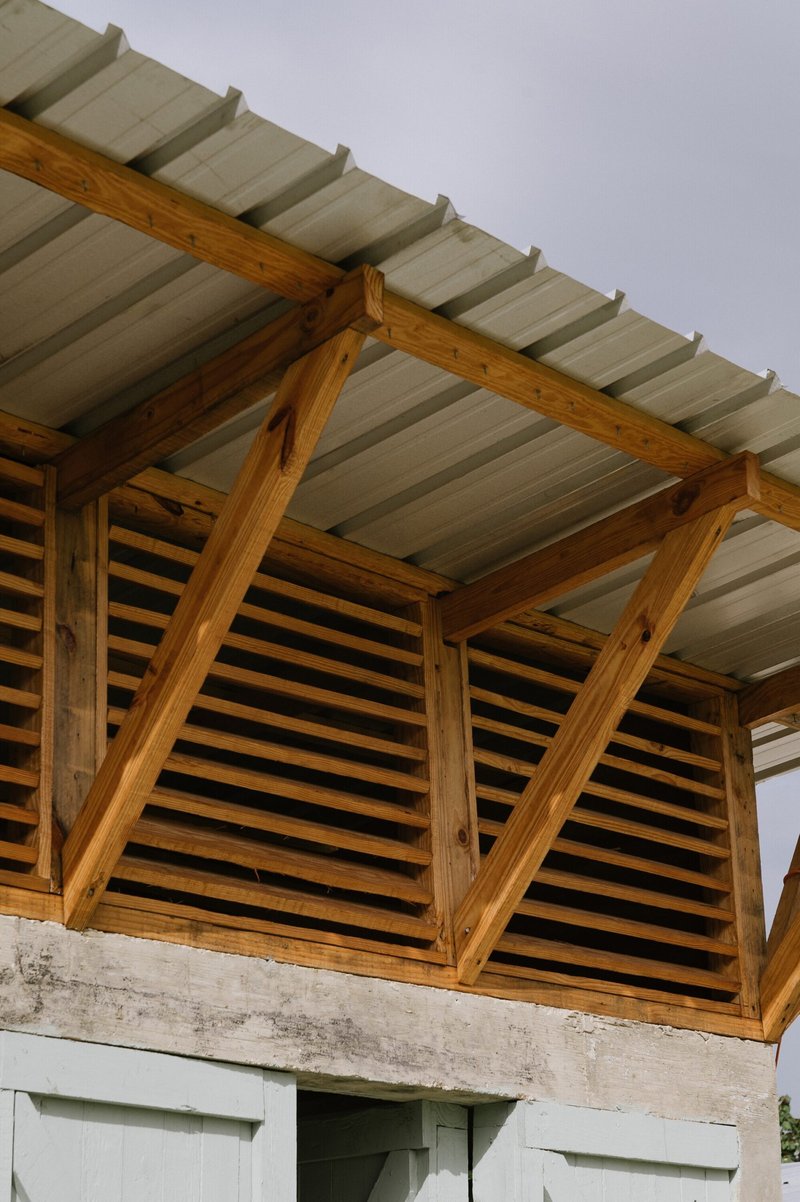
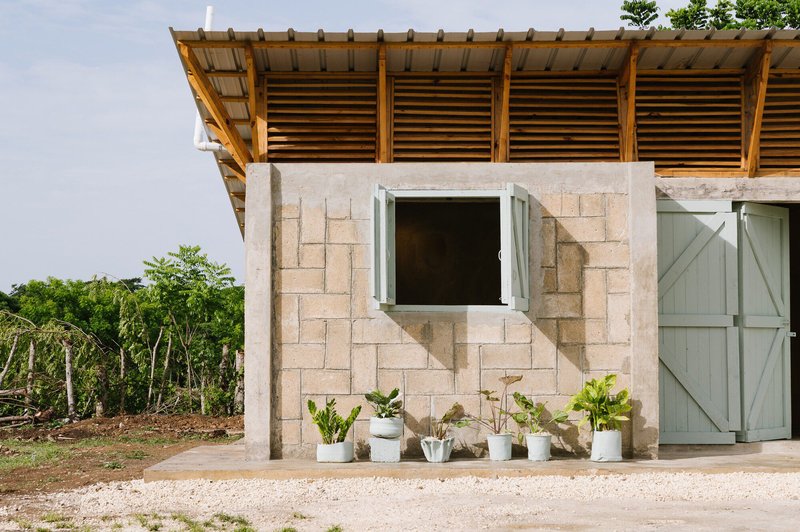
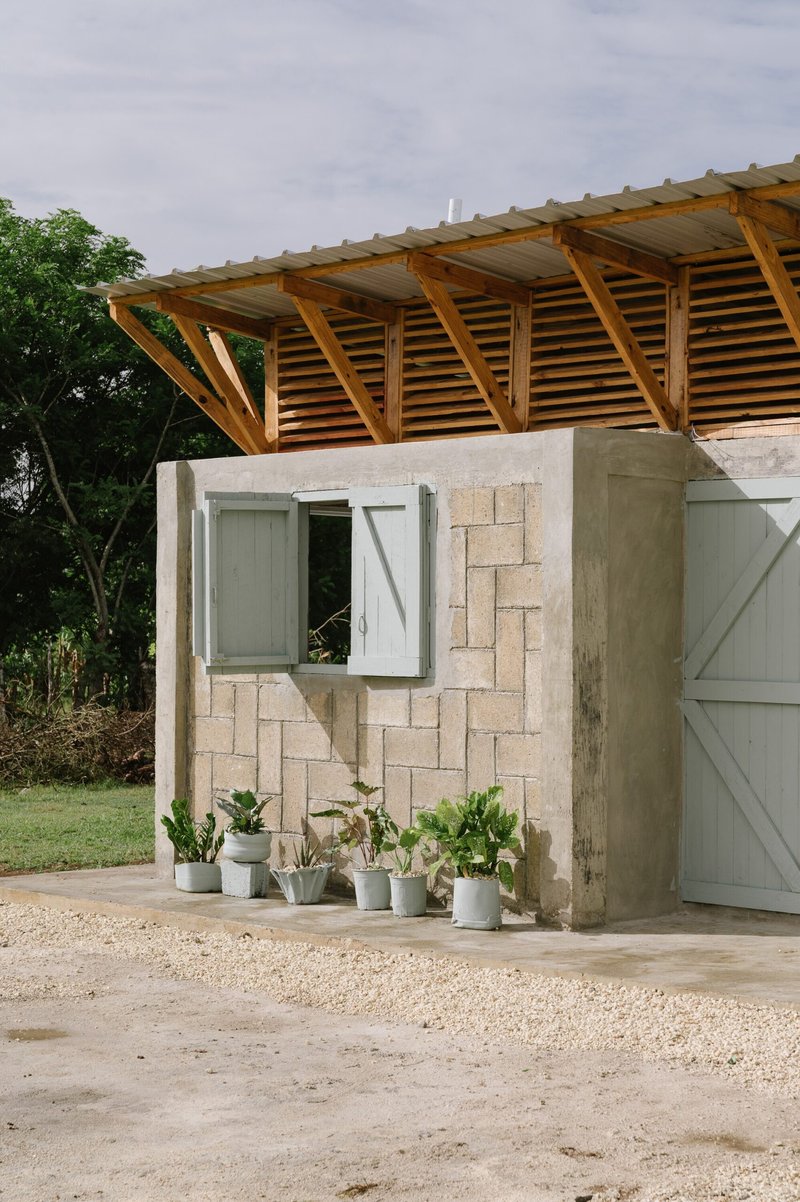
Materials were sourced judiciously from within a 4-kilometer radius, a decision both pragmatic and poetic. Concrete blocks, galvanized aluzinc sheets, treated pine wood, and polished concrete floors were chosen for their durability and aesthetic appeal, demonstrating that beauty is a right, even in rural housing. These homes are not mere shelters but sanctuaries where dreams take flight, emotions find solace, and well-being is nurtured.
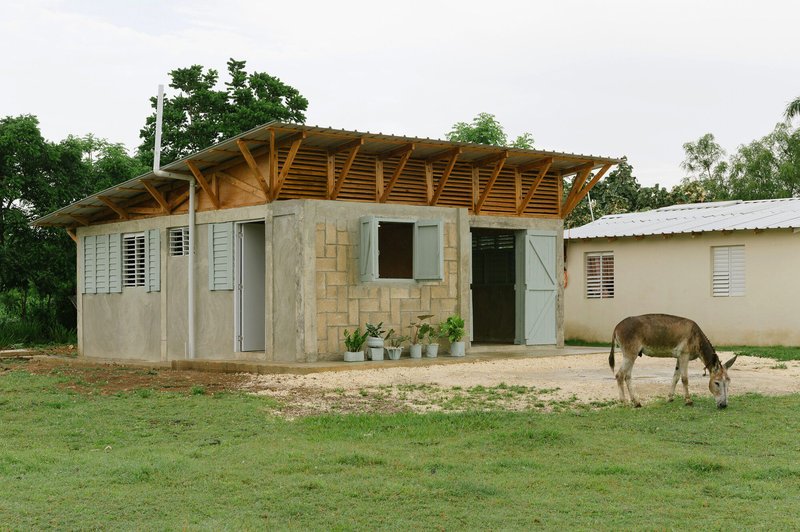
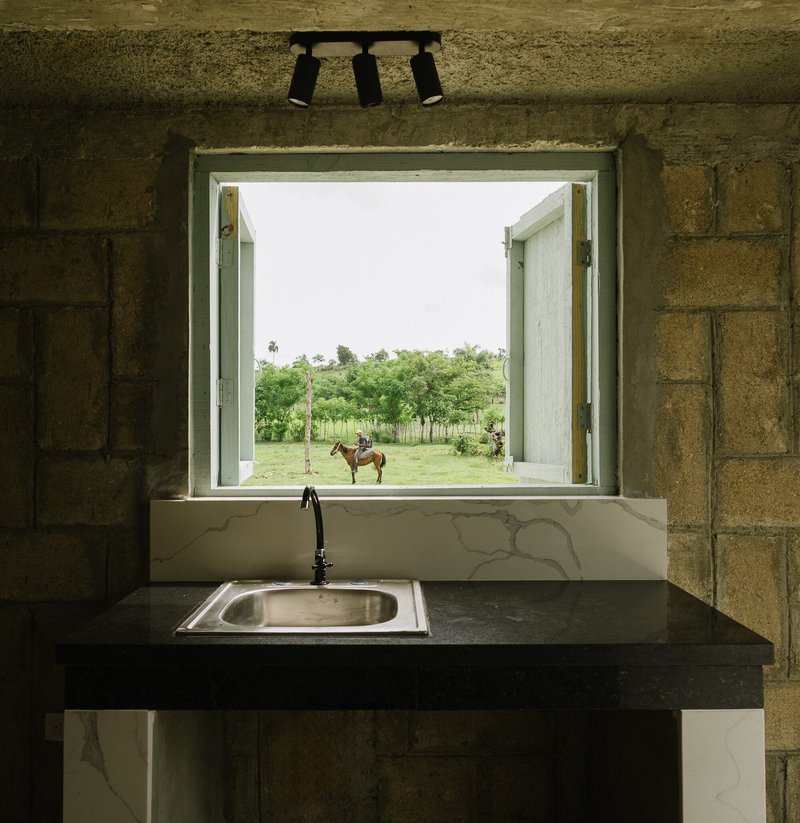
The design of the Teacher’s House extends an invitation to the outdoors, where the social areas open seamlessly, embracing family, neighbors, and the gentle clamor of domestic animals. This fluid interaction with the environment upholds the rich tapestry of Dominican culture, where community living thrives, and the bonds of kinship are strengthened.
In a world where urbanization often overshadows rural narratives, the Teacher’s House is a poignant reminder of the integral role played by rural communities. These homes, cradling the families of those who toil the land, are the bedrock of our societies, ensuring a steady flow of food, resources, and raw materials that sustain urban life.
Thus, the Teacher's House stands not only as a refuge but as a testament to the power of architecture to uplift, protect, and inspire. It is a tribute to the indomitable spirit of Dos Bocas, a community that, despite its challenges, finds strength in unity and resilience in design.