In the realm of architecture, just as in music, there exists a profound interplay between structure and deviation, where the subtle inflections can transform a space into an emotive masterpiece. The pentatonic scale, with its five notes, offers a foundation of stability and clarity, allowing musicians to explore variations without succumbing to dissonance. This structural integrity serves as the bedrock for numerous musical genres, particularly in popular music, until the blues emerged, weaving an intricate tapestry of sound through the introduction of additional notes known as blue notes.
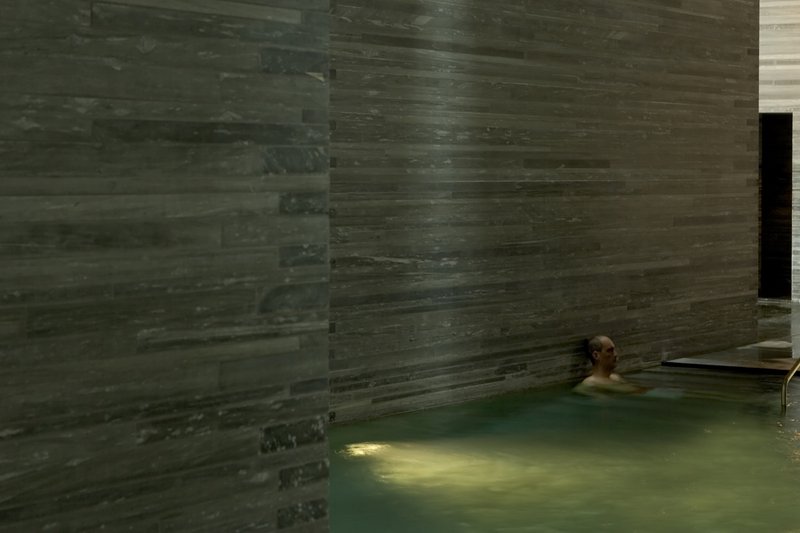
These blue notes, with their gentle tonal deviations, imbue the music with a touch of melancholy, a fleeting tension that adds depth and expressiveness. They are not forceful declarations, but rather ephemeral whispers that enrich the music while preserving its fundamental harmony. In architecture, a parallel can be drawn—a discipline where the expressive potency often lies not in radical departures, but in nuanced inflections within a coherent system.
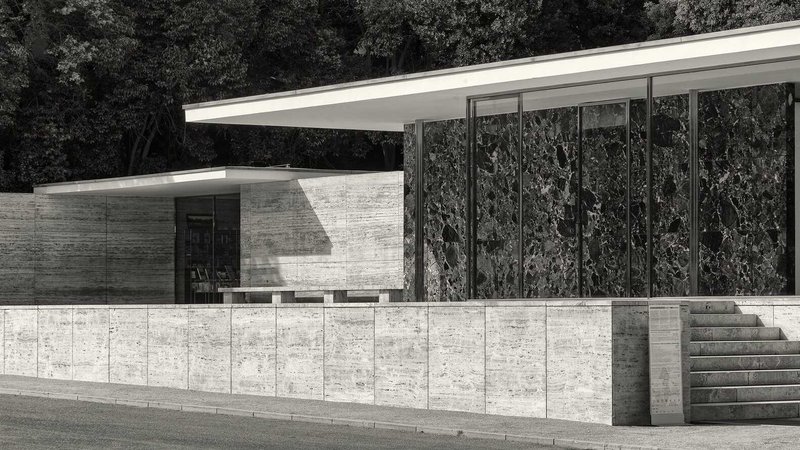
Consider the elegance of a well-crafted architectural project, where the form serves the function with precision, yet allows for moments of deviation that elevate the experience. These are the localized displacements, the asymmetries that introduce internal tensions without disrupting the overall harmony. They are akin to architectural blue notes, subtle shifts that, while maintaining the integrity of the structure, offer a richer sensory experience.
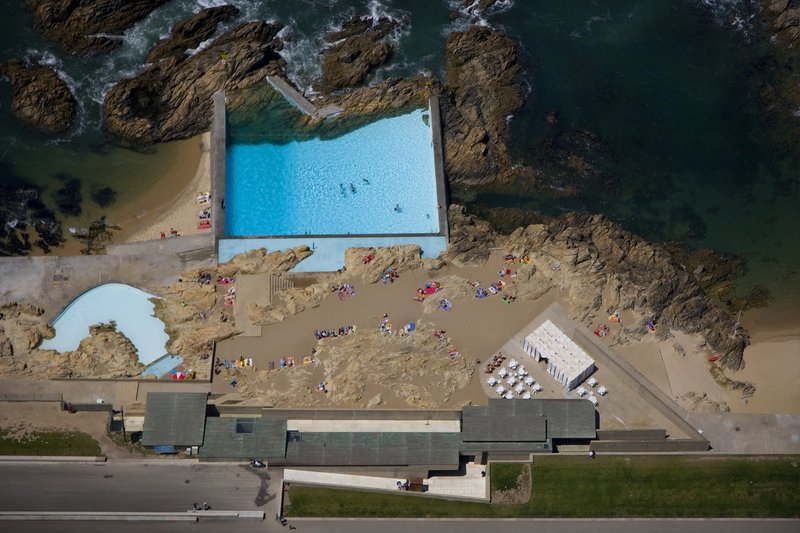
The light dances through spaces designed with intention, where materials are chosen not just for their aesthetic qualities but for their tactile sensations. The experience of walking through such an environment is akin to journeying through a symphony, where each room offers a unique cadence, a distinct rhythm that invites reflection and engagement.
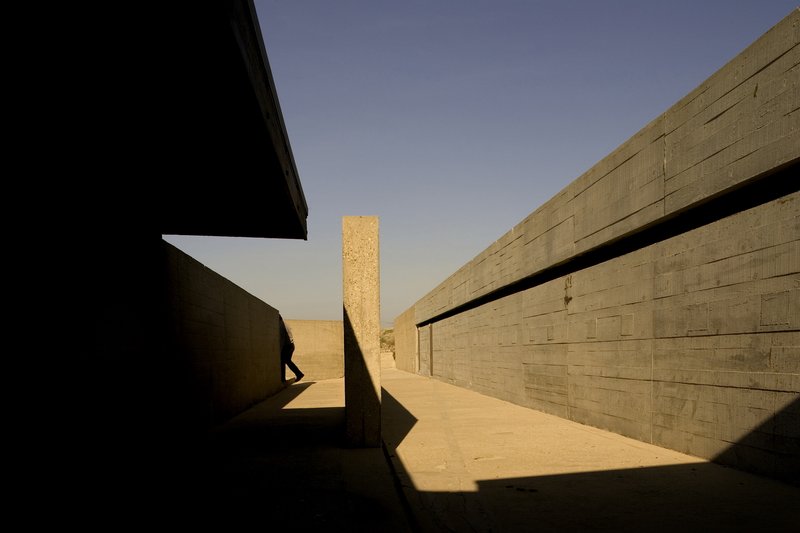
These architectural compositions, much like a blues melody, rely on controlled deviations to evoke emotion. A seemingly ordinary wall may unexpectedly curve, guiding the eye and the mind to new discoveries. A window placed slightly off-center can frame a view with such precision that it transforms the mundane into the extraordinary.
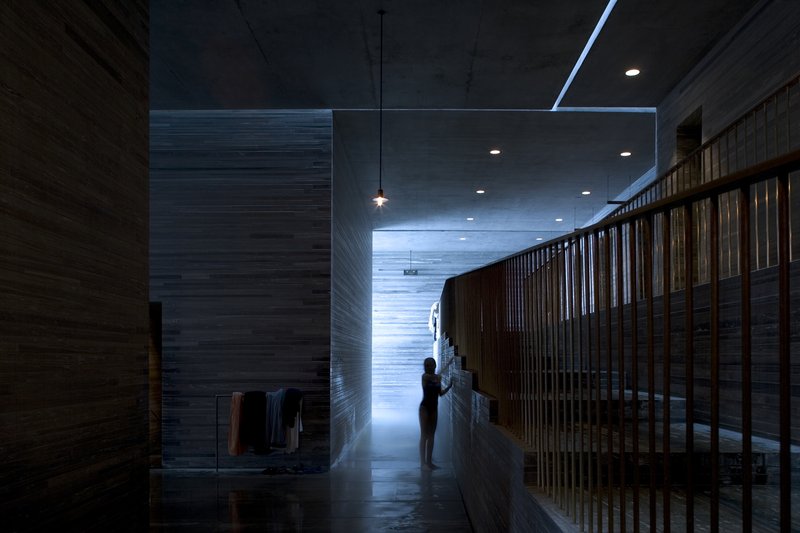
In the hands of a skilled architect, the building becomes a living score, each element playing its part in a grand composition. The beauty of such designs lies in their ability to maintain coherence while embracing the expressive potential of variation. This is where architecture transcends mere construction to become an art form, where the dialogue between form and function is as harmonious as a well-played symphony.
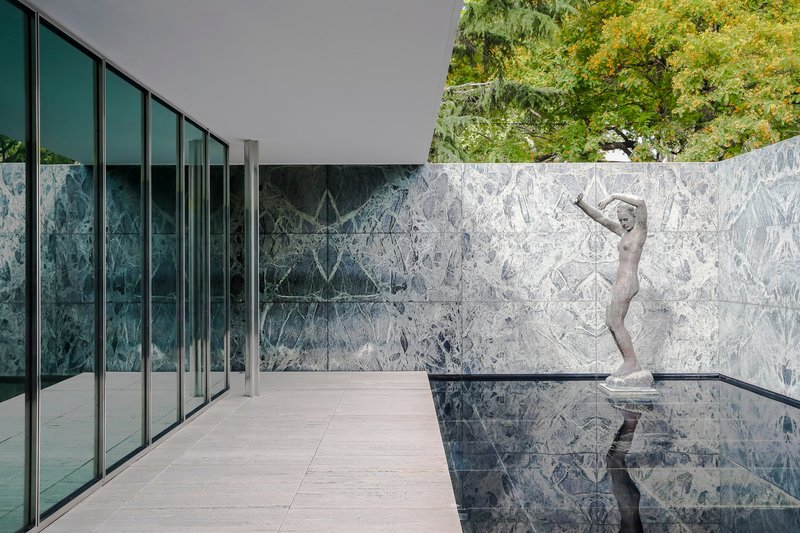
Thus, we find that just as the blues scale enriches music with its emotive depth, so too does architectural sophistication emerge from these thoughtful and controlled deviations. It is in these moments of tension and release that spaces become more than mere shelters; they become vessels of human experience, resonating with the soul.