In a moment of architectural revelation, David Chipperfield Architects has unveiled the latest images of the Milano Santa Giulia Arena, a striking venue set to host the ice hockey events of the 2026 Milano Cortina Winter Olympics. This sculptural masterpiece, currently advancing through its testing phase, emerged from a collaboration with Arup, a partnership commissioned in 2021. The initial renderings of this elliptical amphitheatre were shared in 2022, laying the groundwork for a construction journey initiated in 2023 with an anticipated completion in 2025.
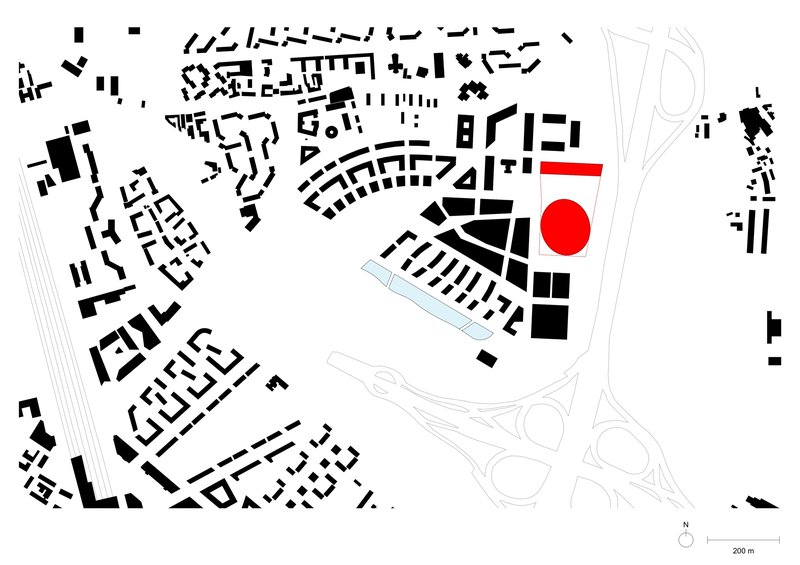
The arena, a nexus of sports and culture, promises to accommodate 16,000 spectators, with 12,000 seated and an additional 4,000 standing. It forms the heart of a grand urban renewal, a vision initially crafted by Foster + Partners for the Milano Santa Giulia district. This precinct, nestled south-east of Milan's bustling core, is seamlessly woven into the fabric of the city, connected by a high-speed rail network and major motorways.
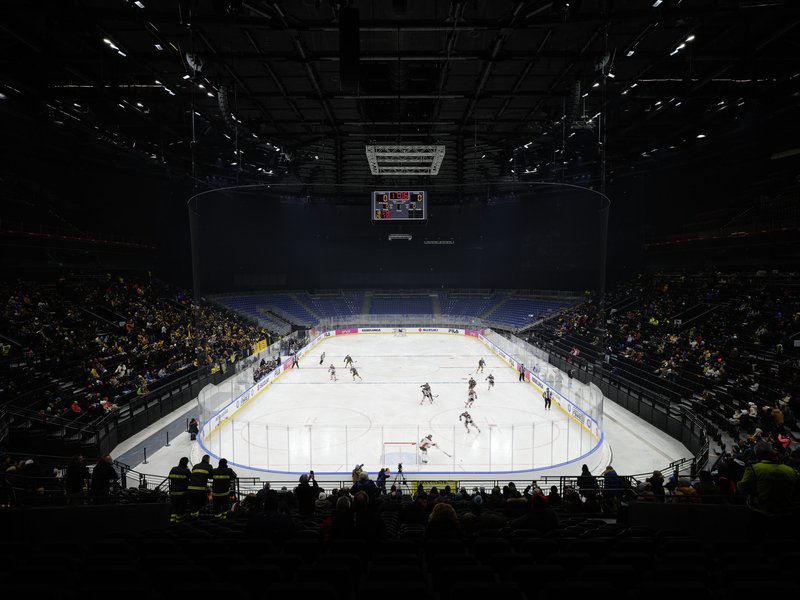
As the arena stands poised to host the Milano Hockey Finals as a test event, whispers of doubt swirl around the completion timeline, with the Winter Olympics looming on February 6, 2026. These concerns echo sentiments from the International Ice Hockey Federation, highlighting potential delays in the main rink's readiness, particularly in ice management.
Yet, optimism prevailed following the successful execution of three consecutive games within the arena's embrace. The CEO of Fondazione Milano Cortina 2026, buoyed by the positive feedback, expressed satisfaction with the venue's performance and logistics, as over 22,000 enthusiasts gathered across seven games within a mere three days. However, the acknowledgment of ongoing endeavors underscores the complexity of this architectural undertaking.
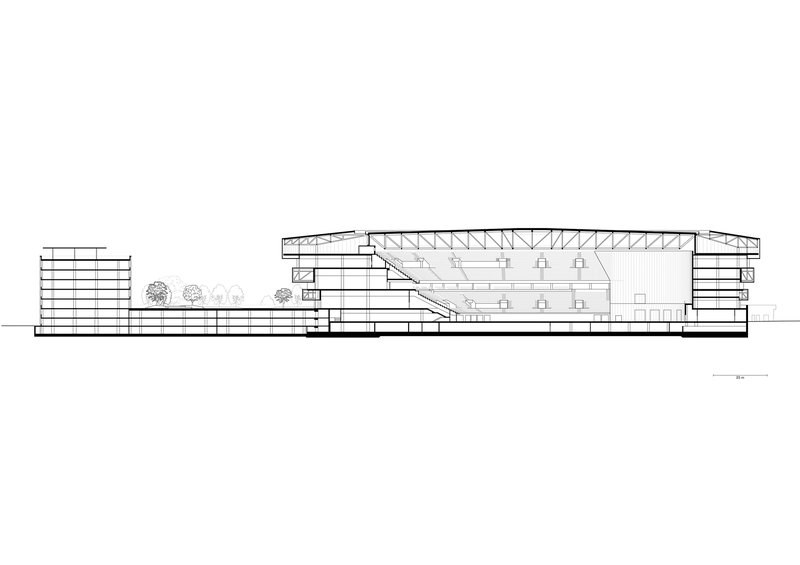
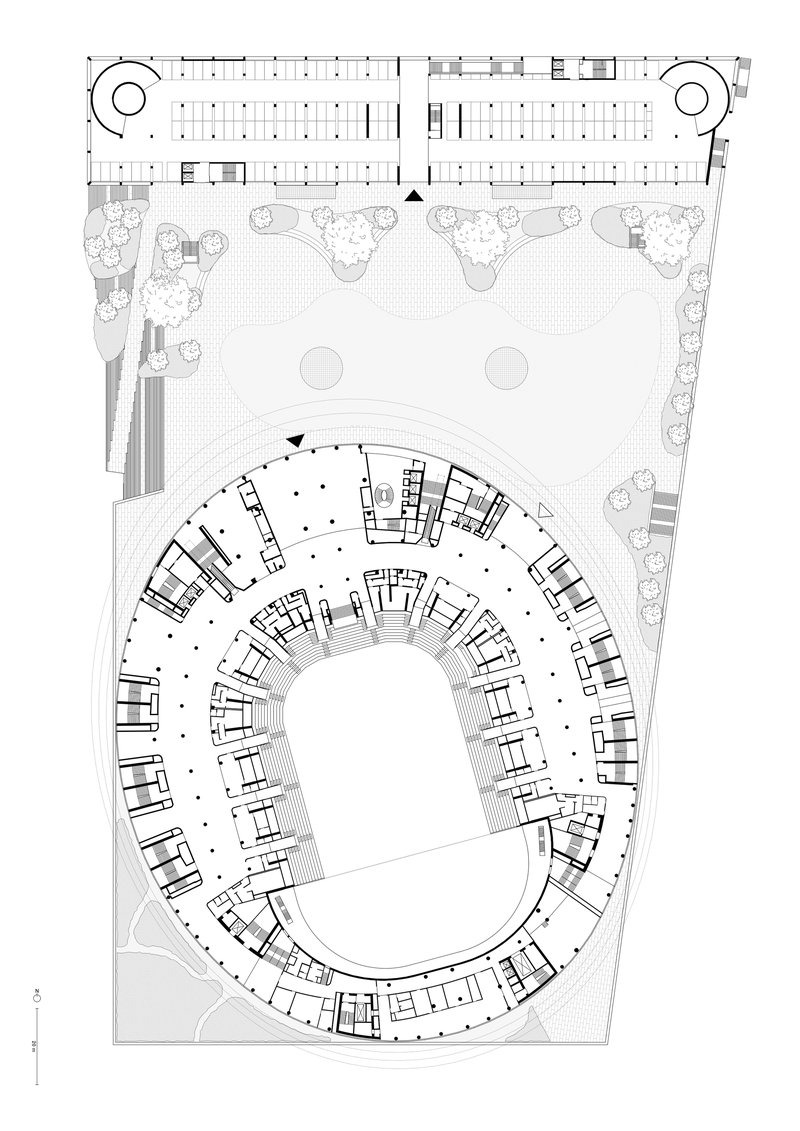
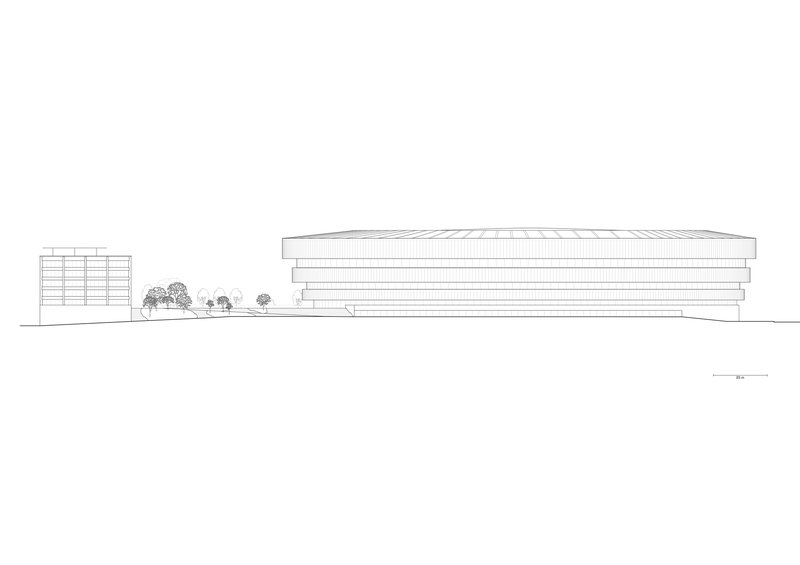
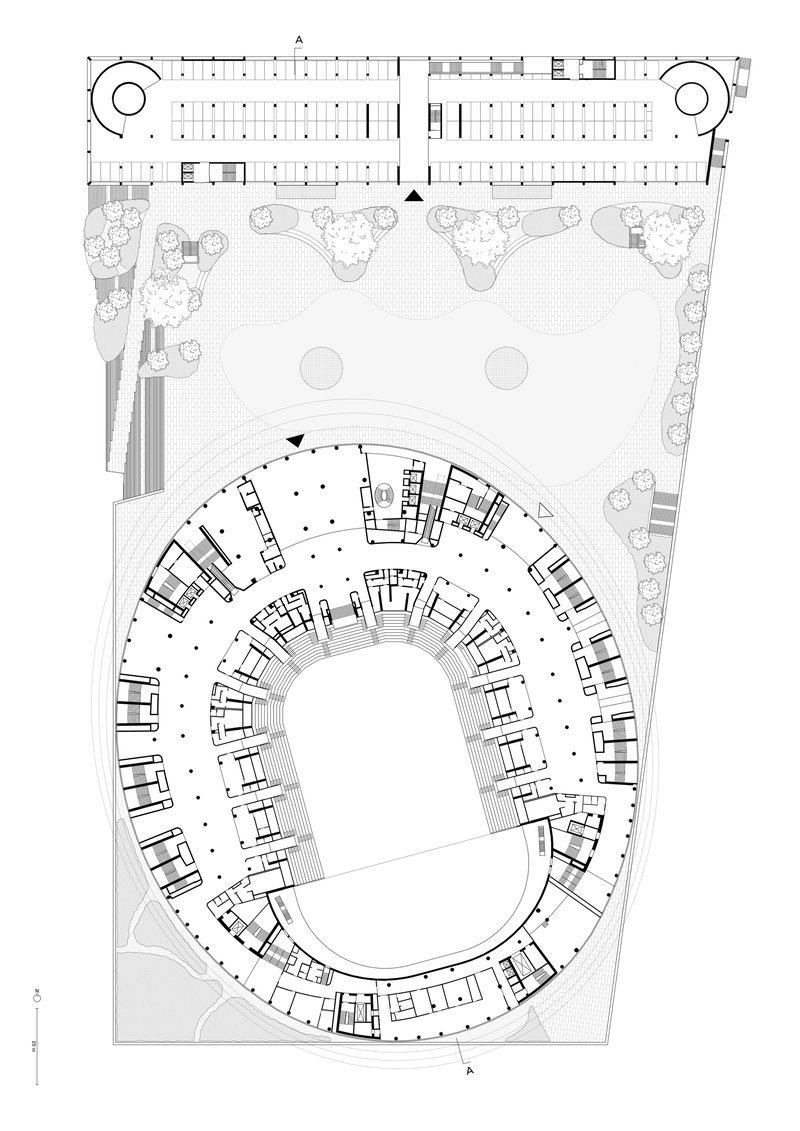
The design of the arena whispers of Milan's history, evoking the ancient form of a Roman amphitheatre, yet resplendent in a contemporary guise. It offers a sanctuary for collective enjoyment, transcending the Winter Olympics to host grand concerts, sporting events, and vibrant festivals. Positioned dominantly at the site's southern threshold, it welcomes visitors with a grand ascent via expansive steps to a podium that commands almost the entire plot. Above, a vast piazza sprawls over 10,000 square meters, a canvas for outdoor events.
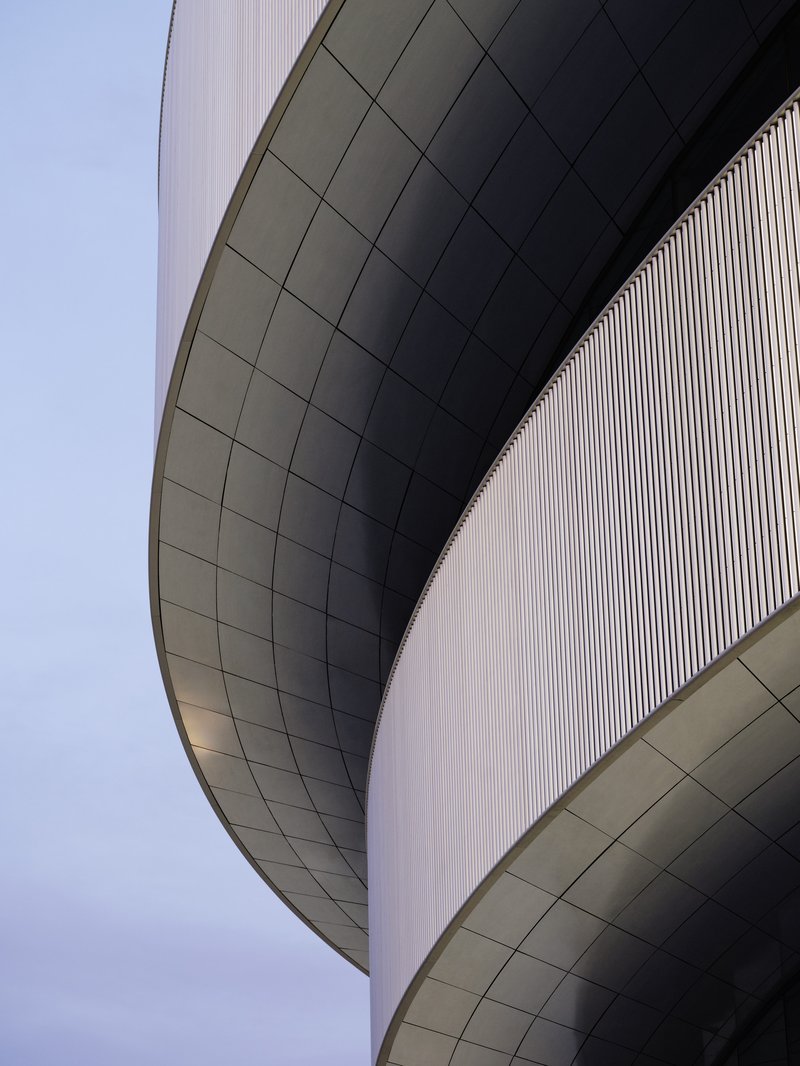
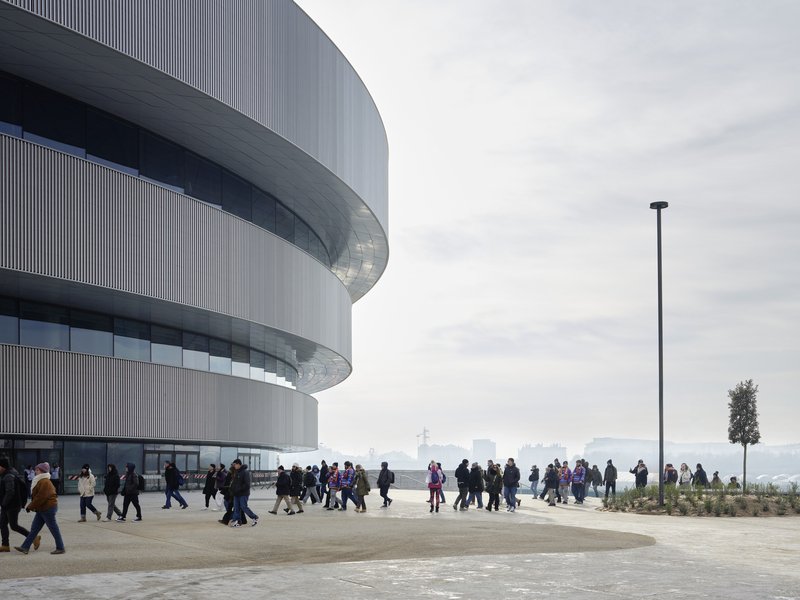
Above this monolithic stage, three rings ascend, each loftier than the last, seemingly suspended in a dance of metallic grace. By day, sunlight caresses their aluminum-clad surfaces, while nightfall ignites integrated LED strips, casting a luminous tapestry upon the façade. Within, two tiers of seating rise above the parterre, crowned by an upper echelon of lounges and skyboxes. Each level is meticulously serviced with lobbies, catering, and ancillary facilities.
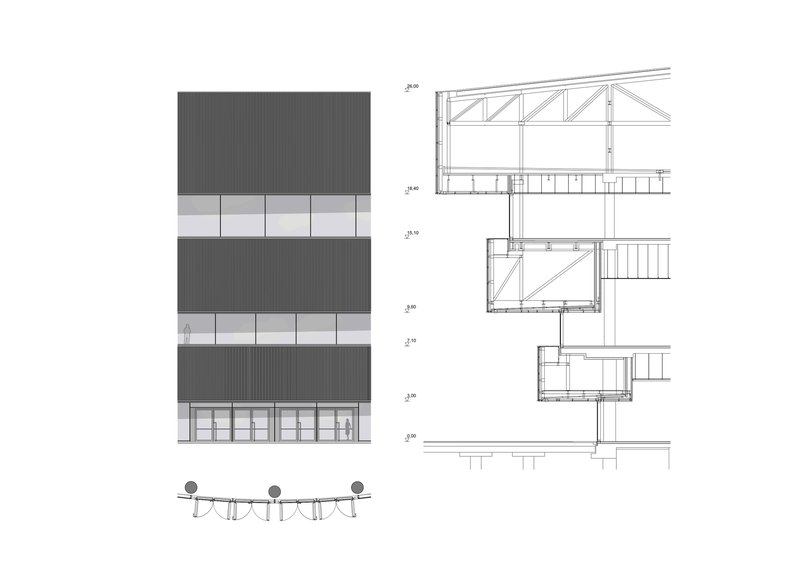
A commitment to sustainability is woven into the arena's fabric, with photovoltaic systems adorning the roof, fulfilling a portion of its energy requirements. Parking solutions are ingeniously integrated within the podium and an adjacent multi-storey car park at the northern boundary.
The Milano Cortina 2026 Winter Games promise to be a geographically diverse celebration, a logistical ballet spanning 15 venues between Milan and the Italian Alps. The reliance on existing and temporary venues, comprising 92 per cent of the infrastructure, reflects a vision of minimal environmental impact, a harmony of circular design and recycling ethos.
The Games will unfurl across two cities, two regions, and two autonomous provinces, with cultural installations and activities enriching the urban landscape, a testament to the grand Cultural Olympiad. As we stand on the cusp of this monumental event, we invite you to explore ArchDaily's extensive coverage of the Milano Cortina 2026, ensuring you remain at the forefront of this architectural and cultural odyssey.